Displaced by Iran war: out of Lebanon, into Syrian crisis
Displaced by Iran War: Out of Lebanon, Into Syrian Crisis
Over 227,000 individuals have moved from Lebanon’s war zones into Syria. Yet they face a shortage of housing, economic challenges, and limited access to essential services. Even with a recent 10-day ceasefire between Israel and Lebanon, many remain in Syria, unable to return home. For Syrian man Imad Omar Qashit, the decision to flee again came after Israeli missiles razed his neighborhood in Tyre, southern Lebanon. “We chose to save our lives once more when entire homes were destroyed,” he said to DW, at 52 years old.
In early March, Lebanon entered the broader Middle East conflict following Hezbollah’s rocket strikes on Israel, as the Iran-backed group retaliated for the Israeli killing of Iran’s leader. Before the ceasefire, the UN’s IOM reported that over 227,549 people had crossed the three official borders from Lebanon to Syria. The majority, 95%, were Syrians, while 5% were Lebanese citizens. Lebanon’s health officials estimate that 2,196 people were killed in Israel’s attacks on Hezbollah, though exact figures for Syrians remain unclear, ranging from 39 to 315.
Qashit and his family arrived in their hometown of Maarat al-Numan near Aleppo, only to discover their home was completely destroyed by Syria’s civil war, which concluded in December 2024. “No rental houses exist—the entire city is in ruins,” he shared. Currently, they reside with his sister. Another Syrian, Mohammad Jassem al-Brouk, escaped Israeli strikes in Lebanon two weeks ago. “The border crossing was packed, and it took a full day to cross,” he explained. Upon reaching his family’s house in Qusair, near Homs, he found only rubble. He now lives in a tent from the Lebanese refugee camp, with no plans to go back.
A UNHCR survey revealed that nearly half of the Syrians interviewed intend to stay permanently in Syria, despite hardships. “Lebanon has become unlivable, not Syria,” said Nanar Hawach of the International Crisis Group. “The government can manage the border, but it lacks solutions for what comes next.” This suggests that the returnees do not signal improved conditions in Syria. The country still grapples with the aftermath of a decade-long conflict, even after lifting sanctions and rejoining global alliances. Sectarian violence and political unrest persist, complicating recovery efforts.
The World Bank estimates Syria’s reconstruction will cost $216 billion, with basic services like education and healthcare barely functional. Humanitarian aid remains critical for 26 million people, as 15.6 million require assistance and 13.3 million face food insecurity. A severe 2025 drought damaged 95% of rainfed crops, according to the UN’s food security report. “Syria already faced a prolonged crisis before this wave of returns,” noted Hiba Zayadin of Human Rights Watch. “The infrastructure can’t handle the influx, and many return to the same devastation.”
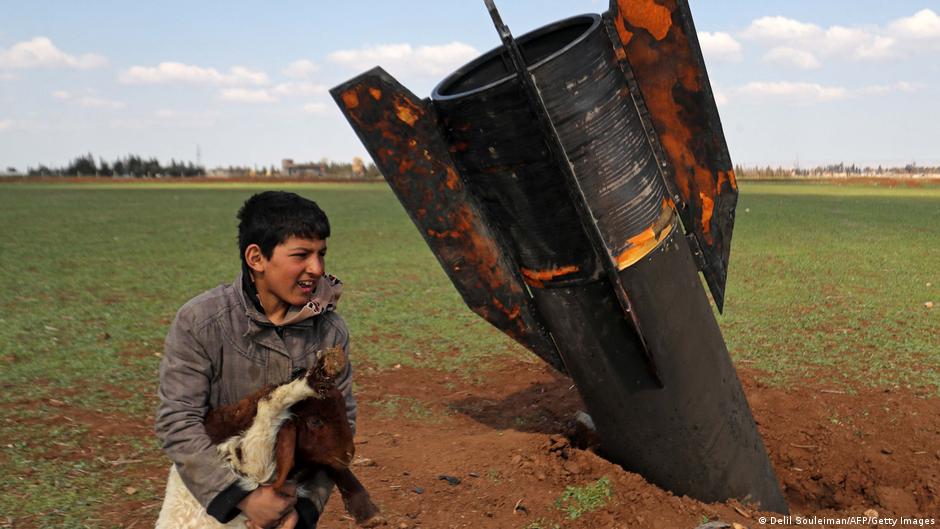
Explosive remnants also plague the region. Years of aerial bombardments, ground battles, and cluster munitions have left Syria heavily contaminated, according to the UN’s 2025 assessment. These ongoing issues highlight the complex challenges Syrians endure, even as they seek refuge in their homeland.