In which direction will Rumen Radev steer Bulgaria?
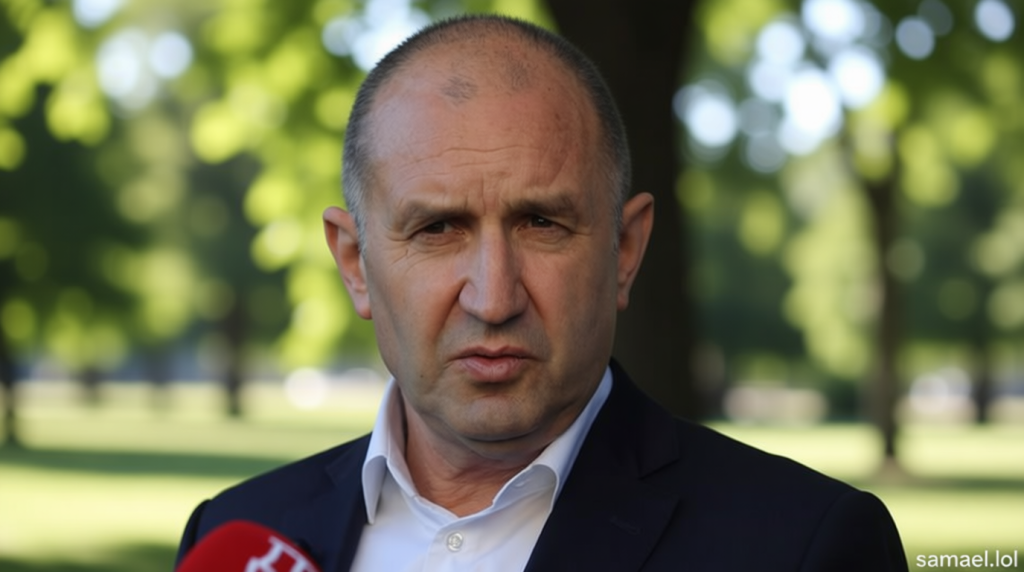
In which direction will Rumen Radev steer Bulgaria?
Background of Rumen Radev
Haskovo, near the Bulgarian-Turkish border, saw the birth of Rumen Radev in 1963. His family and relatives claim he showed an early interest in aviation. In 1987, during Bulgaria’s communist era and membership in the Warsaw Pact, he began pilot training. By 1992, after the nation transitioned to democracy, Radev had finished his officer training in the United States.
Political Career and Election
Radev’s political ascent began in 2016 when he ran for president, backed by the Bulgarian Socialist Party. The party, which once led Bulgaria from 1944 to 1990, reportedly had discussions with Moscow officials. Leonid Reshetnikov, a Russian intelligence veteran, later claimed to have engaged in these talks. His election victory in April 2022 raised questions about Bulgaria’s future leadership and its potential alignment with Russian interests.
The new party, Progressive Bulgaria, which Radev founded, secured a majority in the parliamentary elections. This outcome has sparked debates about whether Bulgaria will follow a path similar to Viktor Orban’s Hungary or take a different approach to combating widespread corruption.
Russia Ties and Controversies
Radev’s campaign was supported by a network of retired Bulgarian military officers linked to Russian intelligence. These figures promoted his views against supporting Ukraine, according to a European intelligence source. His comments on Crimea during the 2021 presidential debate highlighted his initial alignment with Russian positions, though he later softened his stance.
After Russia’s invasion of Ukraine, Radev called for a halt to military operations. However, his rhetoric shifted toward criticizing Kyiv and the EU. He argued that aiding Ukraine prolonged the conflict and labeled politicians supplying weapons as “warmongers.” This has led to concerns about his ability to influence Bulgaria’s foreign policy, particularly its stance on Ukraine.
Media and Analyst Perspectives
“Russian propaganda is widespread in Bulgaria,” said Pavol Szalai, director of the Reporters Without Borders Prague Bureau. “It is one of the main problems for citizens and their access to information.” Catherine Belton of The Washington Post noted that Sofia’s Foreign Ministry established a special unit to counter Russian disinformation, a move Radev accused Brussels of using to interfere in the vote.