What course will Bulgaria’s new leader Rumen Radev take?
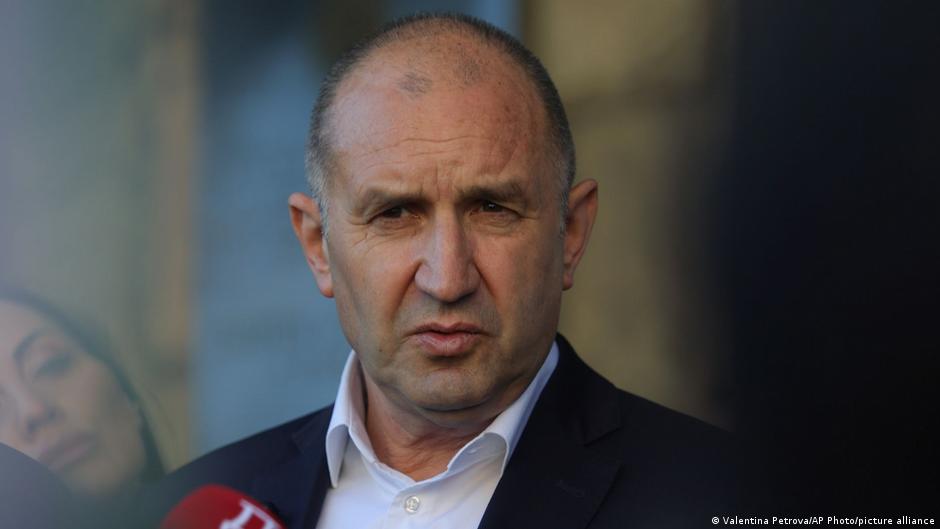
What Course Will Bulgaria’s New Leader Rumen Radev Take?
Bulgaria’s newly elected leader, Rumen Radev, has pledged to address corruption and foster relations with Russia. Yet, uncertainty lingers about his vision for the nation’s future. With his party, Progressive Bulgaria, securing a parliamentary majority on April 19, the media is abuzz with speculation: will Radev steer the country toward a more pro-Russian path, or will he finally confront the systemic graft that has plagued Bulgaria for decades?
A Career in the Skies and Politics
Radev, a former pilot and general, entered politics after a lengthy career in the Bulgarian military. Born in Haskovo, near the Bulgarian-Turkish border in 1963, he was raised with aspirations of flying. His training began in 1987 under the communist regime, and by 1992, he had completed his pilot officer qualification in the U.S. as Bulgaria transitioned to democracy. In 2005, following NATO accession, he rose to the rank of Bulgarian Air Force Commander.
His political journey started in 2016 when he ran for president as a candidate of the Bulgarian Socialist Party (BSP), the successor to the communist government. Reports indicated his campaign was discussed with Moscow’s officials, sparking speculation about ties to Russian interests. Leonid Reshetnikov, a former Soviet intelligence figure and Russian Federation official, claimed to have advised on Radev’s bid, fueling ongoing scrutiny of his alignment with the Kremlin.
Russia, Ukraine, and the Tension of Rhetoric
During the 2021 presidential election, Radev’s stance on Crimea became a focal point. When asked directly by GERB’s Anastas Gerdzhikov, he stated, “Crimea is currently Russian. What else can it be?” Later, he clarified, “Crimea belongs to Ukraine, but is now controlled by Russia.” This response, however, seemed to shift after Russia’s full-scale invasion of Ukraine in 2022.
Radev initially called for a pause in Russia’s military actions but soon adopted a more critical tone toward Kyiv. He argued that supporting Ukraine’s defense only extended the conflict and labeled politicians supplying weapons to Ukraine as “warmongers.” This pivot has raised concerns about his commitment to Bulgaria’s pro-European policies, reminiscent of Hungary’s Viktor Orban.
Questions of Influence and Information
“I would not compare him with Orban or Robert Fico of Slovakia,” noted Pavol Szalai, head of Reporters Without Borders’ Prague bureau. “Russian propaganda is widespread in Bulgaria,” he added, highlighting how it shapes public perception and limits access to unbiased news. Catherine Belton of The Washington Post echoed this, stating Sofia’s Foreign Ministry created a unit with the European Commission to counter Russian disinformation. Radev, she pointed out, dismissed this as an effort by Brussels to interfere in Bulgaria’s affairs.
Radev’s campaign was also supported by a network of retired Bulgarian military officers with ties to Russian intelligence. These figures promoted his stance against Ukraine, according to a European intelligence source. While his rhetoric has evolved, the question remains: will his leadership prioritize national interests or align more closely with Moscow’s agenda?