India walked away from its bid to host COP33 — here’s why
India walked away from its bid to host COP33 — here’s why
India’s bid to host the UN’s premier climate summit, COP33, was quietly withdrawn, reflecting a departure from Prime Minister Narendra Modi’s 2023 commitment. The decision came just 18 months after the nation had pledged to lead the event, signaling a shift in priorities as global climate dynamics evolved.
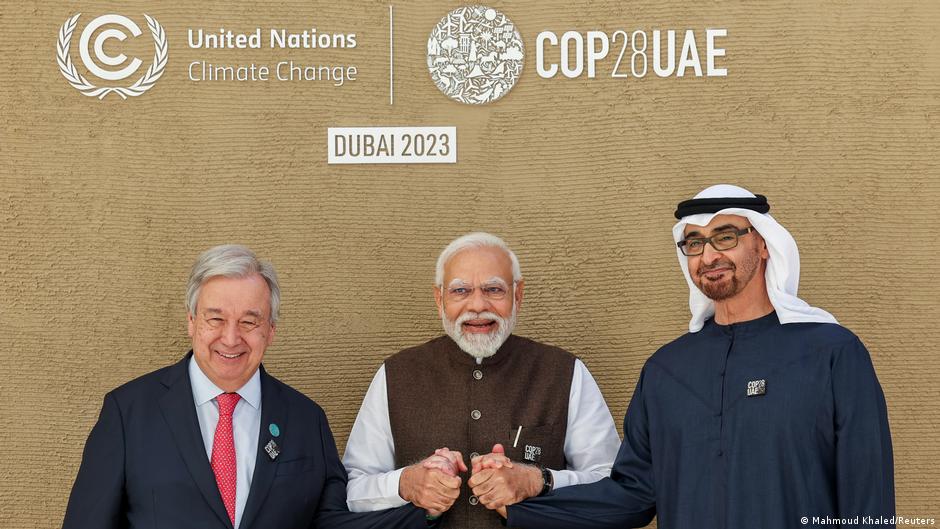
In December 2023, during the Dubai climate summit, PM Narendra Modi announced India’s intention to host the conference, signaling a proactive stance as a leader for the Global South. The bid, backed by the BRICS nations — Brazil, China, India, and South Africa — was part of a broader effort to showcase the Asia-Pacific Group’s influence in climate negotiations.
COP, the annual United Nations climate summit, brings together 198 parties — 197 nations and the European Union — to assess climate progress and negotiate global solutions. Hosting the event offers prestige, agenda-setting power, and a chance to shape the international discourse. However, the symbolic value has been overshadowed by practical challenges in recent years.
Analysts suggest that India’s decision signals a realignment of global climate priorities, as the COP’s influence wanes due to domestic concerns and geopolitical uncertainties. The global climate agreement framework has seen a decline in cohesion. The Paris Agreement, which set voluntary national targets in 2015 to curb warming, faces pressure, notably after the US exited it twice under the Trump administration.
“India’s withdrawal likely stems from COP’s diminishing role in advancing impactful global climate efforts,” said Chandra Bhushan, director of the Delhi-based International Forum for Environment, Sustainability and Technology. “The trust breakdown at the Belem summit, where nations abandoned prior commitments, marked a critical turning point.”
Despite this, India has shown dedication to climate multilateralism, revising its Nationally Determined Contribution (NDC) for 2031-35 under the Paris Agreement. This plan includes reducing emissions intensity by 47% from 2005 levels by 2035, achieving 60% non-fossil fuel energy capacity, and establishing a carbon sink of 3.5 to 4 billion tonnes via expanded forest cover.
“Developed nations pledged $100 billion annually by 2020 in climate finance but have consistently failed to meet these commitments,” explained Abinash Mohanty, global sector head at IPE Global. “Newer targets, such as $300 billion by 2035, still fall short of the funds required by developing countries. Additionally, the US’s repeated exits from the Paris Agreement have eroded confidence.”
With domestic climate action becoming central to India’s sustainable development goals, the country’s focus has shifted inward. “Hosting COP33 would come at a cost,” Mohanty added. “It would mean spending significant resources and political capital to secure outcomes that may no longer align with India’s evolving priorities.”