Sudan: Iran war prompts ‘massive’ food and fuel price hikes
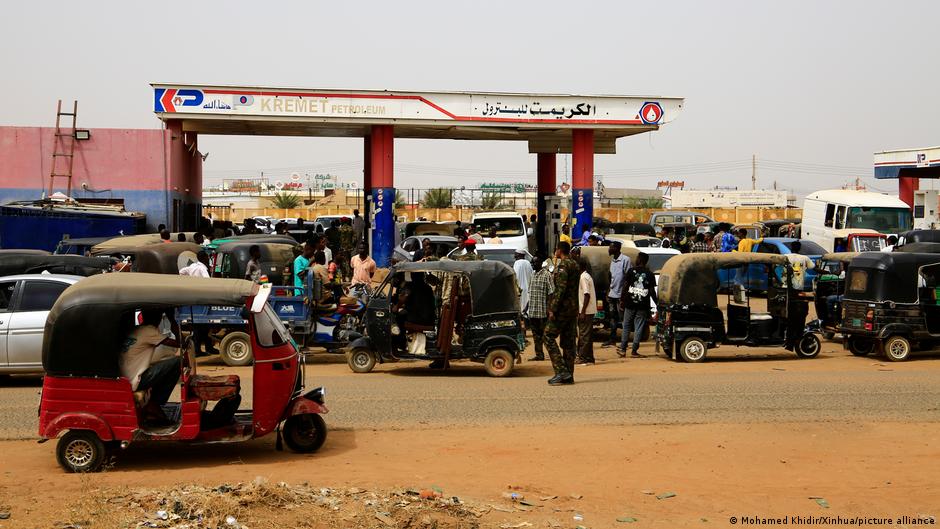
Sudan: Iran War Sparks Sharp Increases in Food and Fuel Costs
Three years into Sudan’s civil war, German aid organizations highlight alarming spikes in the prices of basic necessities, driven by the escalating conflict in Iran and the broader Middle East. Donors convened in Berlin on Wednesday, marking the third anniversary of the war’s beginning, to address growing concerns over the country’s economic strain. Aid workers noted that disruptions in the region have intensified supply challenges, particularly for food and fuel, which are already critical shortages.
The situation is worsening as essential goods become more expensive. Welthungerhilfe’s Matthias Mogge reported that fuel costs have surged by up to 80%, while staples like wheat have risen by around 70%. This surge threatens the livelihoods of millions already struggling. Meanwhile, the reliance on Gulf imports for fertilizer creates further risks, as supply routes remain vulnerable to regional tensions.
With 19 million Sudanese at risk of severe hunger, the humanitarian crisis deepens. Over 11 million have been displaced, fracturing the nation into distinct zones of control. The World Food Programme’s Carl Skau emphasized that Sudan’s diesel supply depends entirely on the Persian Gulf, now hindered by disruptions in the Strait of Hormuz. “This war is affecting us everywhere,” he said, noting the long-term consequences for agricultural production.
Drone Strikes and Civilian Casualties
Recent drone attacks have claimed hundreds of civilian lives in Sudan, according to the UN. In the first three months of 2026, nearly 700 people were reportedly killed, with children comprising the majority of victims. UNICEF’s Eva Hinds described the attacks as “responsible for nearly 80 percent” of the 245 children harmed, underscoring the indiscriminate nature of the violence.
“Drones are killing and wounding girls and boys in their homes, in markets, on the roads, near schools and health facilities,” said Hinds.
MSF added that five recent strikes in Darfur left two dead and 56 injured. The group criticized the Sudanese Armed Forces for their disregard of civilian safety. As the war enters its fourth year, the conflict has grown more entrenched, with both sides accused of targeting non-combatants. The RSF, which controls much of southern and western Sudan, has been linked to past atrocities in Darfur and now operates a parallel administration in Nyala.
The military’s recapture of Khartoum in March 2025 has not resolved the deepening divide. The war, now in its fourth year, continues to impact every aspect of life, from food prices to civilian safety, with the Middle East’s turmoil compounding the crisis.