Venezuela’s oil reform aims to lure private investors
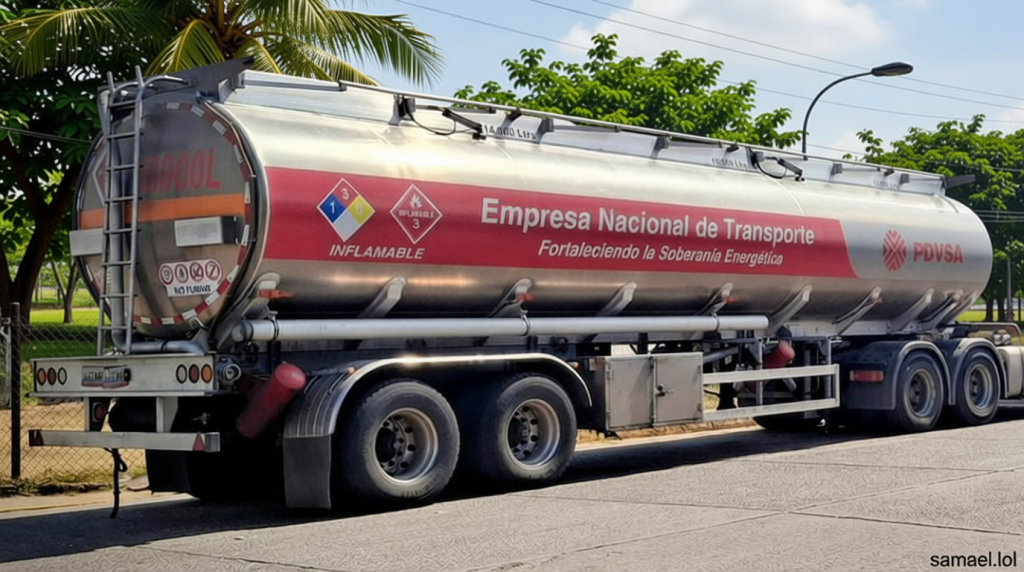
Venezuela’s oil reform aims to lure private investors
Following the US’s removal of Maduro and its de facto control over Venezuela’s oil sector, the nation’s economic landscape has undergone swift changes. The interim administration is actively seeking foreign investment but faces challenges due to its lack of democratic legitimacy. Recent developments include Spanish airline Iberia resuming flights to Caracas, while American Airlines has declared intentions to re-enter the Venezuelan market. Meanwhile, Paraguay is working to restore Venezuela’s status in the South American trade bloc Mercosur, a move its new industry and commerce minister, Marco Riquelme, highlighted during a press event in late March. If successful, this could also influence the European Union, which finalized a broad free trade pact with Mercosur set to begin on a temporary basis in May.
Production Surges Amid Global Trends
Venezuela, home to the world’s largest proven oil reserves, is prioritizing its energy sector to revive the economy after years of sanctions from the US, EU, and other nations. Recent data shows its monthly crude exports exceeded 1.1 million barrels per day in March for the first time since September, a sharp contrast to the global decline in production linked to the US-Israeli conflict with Iran. In 2024, the country’s output was around 893,000 bpd. Analysts anticipate this upward trend will persist. Spanish energy firm Repsol has confirmed plans to restart operations in Venezuela, though specifics remain undisclosed after meetings with acting president Delcy Rodriguez. On Monday, US company Chevron announced it will expand oil drilling efforts, with Rodriguez stating the agreement would boost production and funnel revenues to Venezuelans, benefiting both nations.
Skepticism Over Transparency and Governance
However, doubts persist about the clarity of these economic moves. Ronald Balza, from the Andres Bello Catholic University’s Faculty of Economics and Social Sciences, warned that external oversight of the oil industry is difficult without consistent and transparent payments from the US. This uncertainty complicates predictions regarding prices, jobs, and public funding. The interim government, led by Rodriguez, has not been validated through a democratic process. Ricardo Hausmann, a Harvard professor and Venezuelan economist, referred to it as a dictatorship, asserting that Trump’s claim of control over Venezuela implies assurance of Maria Corina Machado’s freedoms. Her absence from the country, due to security concerns since the last contested election, underscores ongoing repression.
“If [US President Donald] Trump says he controls Venezuela, he has to guarantee the freedom, security and rights of [prominent political figure] Maria Corina Machado. Her absence from the country reflects that the dictatorship continues,” Hausmann said.
Machado, a human rights advocate, was awarded the 2025 Nobel Peace Prize, which she presented to Trump as a gesture of thanks on behalf of Venezuelans.