Iran: Internet blackout highlights real toll of censorship
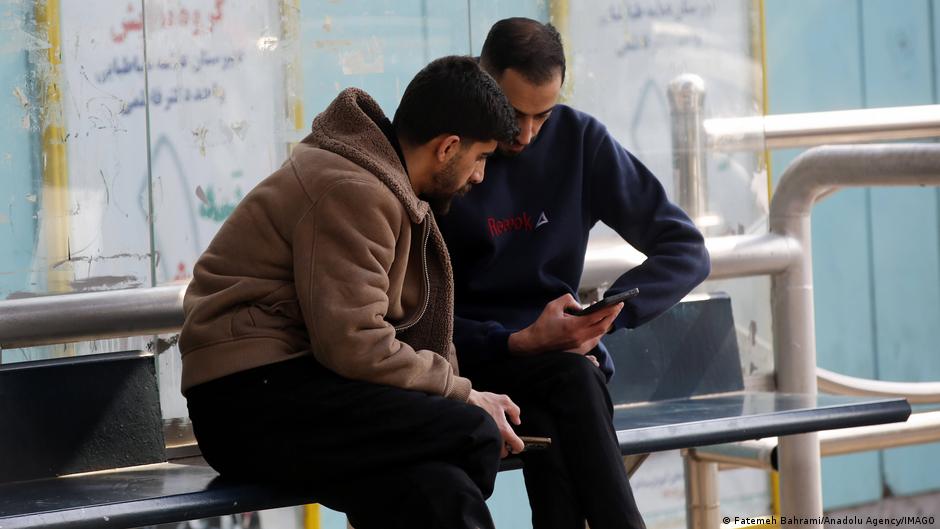
Iran: Internet blackout highlights real toll of censorship
The Iranian government’s decision to sever internet access has long been a tool for asserting control. Yet for countless citizens, it symbolizes the ongoing struggle against state-imposed restrictions. In January, the country faced a severe communications blackout as protests erupted nationwide, and the measure was intensified following the escalation of tensions with the United States and Israel. This tactic is not new—clerical authorities have repeatedly cut off connectivity to quell dissent, most notably during 2019’s fuel price protests, the 2022 “Women, Life, Freedom” movement after Jina Mahsa Amini’s death in custody, and the recent anti-government demonstrations that spread beyond Tehran.
The blackout that began in February 2025, during the US-Israeli conflict, has now endured for over six weeks, becoming the longest in Iran’s history. What remains is access to state-run networks and media, leaving the majority of Iranians with limited, filtered online experiences. According to Cloudflare and NetBlocks, internet traffic plummeted to near-zero levels in January, while recent data shows connectivity is still restricted to a fraction of normal capacity. Officials claim the move protects national security by preventing the spread of sensitive content, but critics argue it has broader societal consequences.
Businesses have suffered heavily. A Tehran resident who previously managed an Instagram-based shop described how the shutdown crippled their operations. “Without internet, I can’t work anymore,” they said. “My savings are gone, and it’s hurt my wife’s ability to promote her work.” Even with a VPN, many users find themselves unable to reach customers or share content. “Even if I connect, my customers don’t,” another source added, underscoring the challenge of maintaining commerce in a digitally restricted environment.
The cost of bypassing censorship has grown steep. Starlink, once a viable alternative, now sells for over $5,000 on the black market, far exceeding its original price. Meanwhile, virtual private networks are often unaffordable for average citizens. One person recounted paying up to 1 million tomans per gigabyte for unstable, filtered access. In a country where the minimum monthly wage is around 16 million tomans, internet access has become a luxury few can afford.
“If you are university faculty, a pro-government journalist, or part of an online propaganda project, you get internet access,” said a Tehran resident. “If you are rich, you buy an expensive VPN. But if you are ordinary, your share is the national internet and high walls of censorship.”
The situation has created a stark divide. As the regime’s grip tightens, access to the global web is increasingly reserved for those with resources or allegiance. For millions, the internet remains a tool of control, severing connections to the outside world and deepening economic and social challenges. The blackout underscores how censorship extends beyond political suppression, shaping everyday life and livelihoods across the nation.