Nigeria’s $2B energy bailout tests President Tinubu reforms
Nigeria’s $2B Energy Bailout Tests President Tinubu’s Reforms
Nigeria’s government has allocated billions to resolve accumulated debts within its power sector. While this decision may help stabilize electricity supply, experts caution that systemic challenges persist. The move marks a critical moment for President Bola Tinubu’s reform agenda, as it tests the effectiveness of interventions aimed at revitalizing the industry.
A Small Business Owner’s Struggle
For Blessing Johnson, a frozen food seller in Lugbe—a suburb of Abuja—reliability of power has become a daily concern. She now maintains minimal stock, fearing spoilage after her area experienced nearly two months of blackouts before Eid al-Fitr. “I had to sell some at a loss, things I should sell for 2,500 naira ($1.85), I sold for 1,500 naira or even less,” Johnson explained to DW. “I lost more than I gained.” Previously, she stocked her freezer with chicken, turkey, and fish, but now limits purchases due to uncertainty.
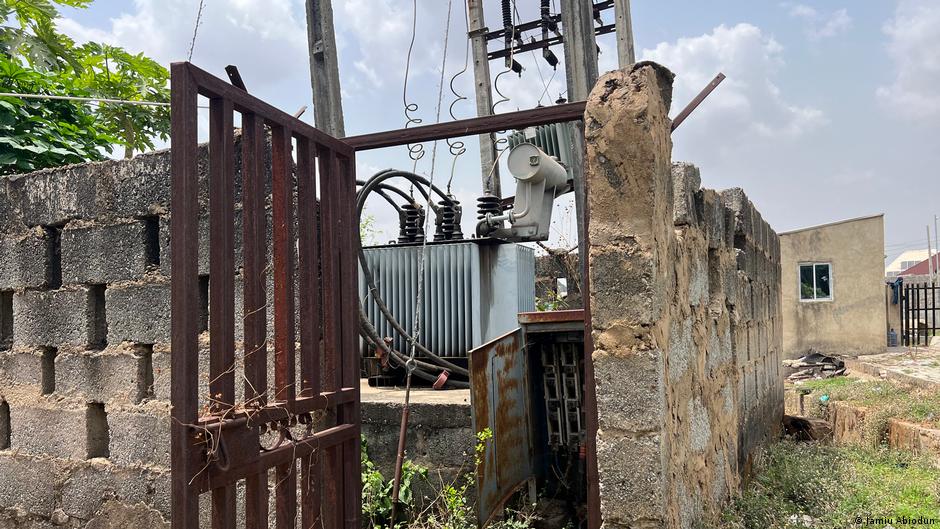
Johnson’s experience mirrors that of countless small business operators nationwide. Despite the recent bailout, the country’s erratic electricity supply continues to jeopardize economic activities. The World Bank estimates Nigeria loses $29 billion yearly due to unreliable power, with over 90 million of its 242 million people lacking access. The grid, strained by decades of underinvestment and aging infrastructure, remains vulnerable to frequent outages.
Debt Settlement and Confidence
At the start of April, Tinubu authorized the payment of 3.3 trillion naira ($2 billion) to settle debts owed to power generation firms. Olu Arowolo-Verheijen, the president’s special energy adviser, emphasized that the initiative “restores confidence across the power sector” by ensuring gas suppliers are paid and power plants operate without interruption. “This enables the system to function more reliably,” he stated.
However, analysts argue the move is not a comprehensive solution. Ayodele Oni, an energy industry expert, noted the bailout “does not resolve all indebtedness” but provides partial repayment to gas producers. “More gas in the system would help,” Oni said, adding that while the settlement eases immediate pressures, deeper reforms are required.
Privatization and Persistent Challenges
Nigeria privatized its power sector in 2013, yet it has not achieved the stability seen in its banking or telecom industries. Tariffs, according to Oni, are not aligned with actual costs, leaving distribution companies unable to cover expenses. This has created a cycle of debt, with the government intervening repeatedly to prevent widespread outages.
The latest crisis occurred in 2024 when Abuja’s electricity distributor threatened to cut power to the presidential villa and federal agencies over unpaid bills exceeding 47 billion naira. This highlights the unresolved issues in transmission and distribution networks. “Tariffs are fundamental, but infrastructure and market design implementation are equally critical,” Oni remarked.
Path Forward for the Sector
Ikemesit Effiong of SBM Intelligence highlighted that distribution companies lack both capital and political commitment to “meter customers, collect revenue, and maintain infrastructure.” Without retail viability, investments in generation and transmission face sustainability risks. “The same condition could trigger another debt cycle,” he warned.
“Without binding reforms to ensure cost-reflective tariffs, improved governance, and accountability across the value chain, the sector remains at risk.”