School’s out in Iran: No phone, no internet, no classes
School’s Out in Iran: No Phone, No Internet, No Classes
Iran’s education system has been disrupted by ongoing conflict, forcing schools to close and shift to alternative learning methods. With in-person instruction suspended, classes are now conducted through television broadcasts and the national intranet. However, students without access to laptops or smartphones face significant challenges in keeping up with lessons.
According to the Ministry of Education, “Until further notice, there will be no in-person classes at schools nationwide,” the government announced last week. Starting April 21, educational sessions transitioned to a dedicated online platform and the state-run TV program “Iran TV School.” This adjustment impacts all schools, from primary to higher education, and remains in place until additional decisions are made.
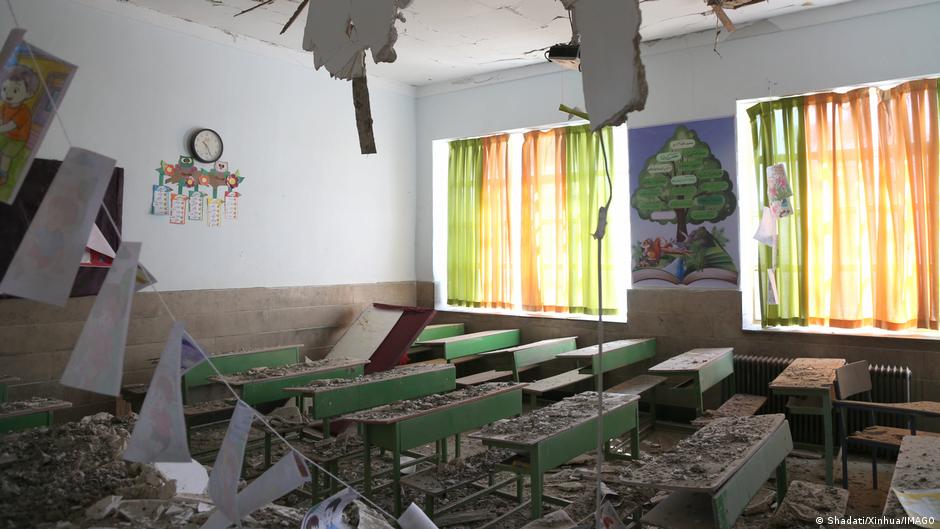
The war has also damaged infrastructure critical to education. Over 640 schools across 17 provinces have been affected by attacks from the US and Israel. More than 250 of these buildings require extensive renovation, while 15 are deemed beyond repair and will need complete reconstruction. The Organization for School Renovation, Development, and Equipment reported the damage, highlighting the severity of the crisis.
Internet Restrictions and Challenges
NetBlocks, a London-based internet monitoring group, noted the longest recorded national outage during the buildup to April 21. The country is largely disconnected from global connectivity, with most traffic routed through a heavily restricted national intranet. This system only allows access to domestic websites, limiting exposure to international information.
“The internet blockade in Iran will most likely never be fully lifted,” says cybersecurity expert Amir Rashidi, director of the Miaan Group, a US-based organization advocating for human rights, digital freedom, and social justice in Iran and the MENA region.
Rashidi explains that the intranet represents a long-term strategy for state control over digital communication. “The idea the Iranian authorities have been working on for a long time is a kind of intranet that is completely separate from the global internet,” he adds. This setup aims to suppress organized protests and limit the spread of images from demonstrations.
Despite these restrictions, some digital services like food-delivery apps and ride-sharing platforms remain accessible. However, moving to virtual lessons presents hurdles, particularly for students in poorer regions. In areas like Sistan and Baluchistan, internet access is scarce due to insufficient infrastructure, making online learning difficult for many.
Parliamentary Initiatives and Ongoing Struggles
During the pandemic, virtual teaching was partially implemented using platforms accessible via the national internet. Yet, recent economic hardships and rising unemployment have reduced local support for such efforts. With internet access limited, certain subjects like mathematics and physics for specific grades are now broadcast on state television.
Parliament is exploring ways to expand the national information network, boost bandwidth for educational institutions, and standardize digital learning materials. Alireza Manadi Sefidan, head of the Education and Research Committee, has urged additional investments to enhance distance learning conditions for schools and universities.
Meanwhile, the national intranet continues to serve as the backbone of public life, reinforcing state control over communication and information flow. As the situation remains tense ahead of potential airstrikes, the focus on digital adaptation underscores the broader challenges facing Iran’s education and technology sectors.