Will Venezuela’s oil sector reform attract investors?
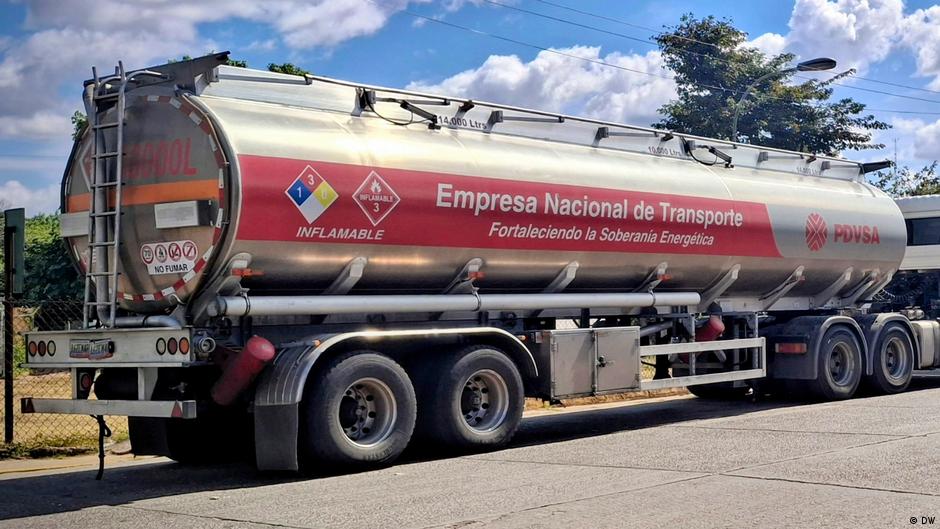
Will Venezuela’s Oil Sector Reforms Spark Investor Interest?
Following the US’s removal of Maduro from power through a controversial military operation, Venezuela’s oil industry has undergone rapid transformation. The interim administration, now leading the nation, is actively seeking foreign investment but faces challenges due to its lack of democratic legitimacy. Recent developments suggest a shift in the country’s economic landscape, with international actors beginning to show renewed interest.
Reviving Air Travel and Trade Ties
Spanish airline Iberia has reinstated flights to Caracas, while American Airlines has declared intentions to re-enter the Venezuelan market. Simultaneously, Paraguay is working to restore Venezuela’s membership in Mercosur, the South American trade bloc. “This is a priority for our pro-tempore leadership,” stated Marco Riquelme, Paraguay’s new minister of industry and commerce, during a late March press conference. If successful, this move could bolster the European Union’s trade relations, as it recently finalized a broad free trade agreement with Mercosur set to take effect provisionally on May 1.
Oil Output Surges Amid Global Decline
Venezuela, the world’s largest oil reserve holder, has seen its crude exports climb to an average of 1.1 million barrels per day in March—a first since September. This contrasts sharply with the global trend of a 27% production drop in March, attributed to the US-Israeli conflict with Iran, per OPEC reports. Analysts predict this upward trajectory will persist, with Repsol planning to resume operations and Chevron expanding its drilling efforts under a recent agreement with PDVSA.
Key Deals and Strategic Gains
Two major contracts signed by Chevron with PDVSA have restructured ownership, granting the US firm nearly 50% of the joint venture Petroindependencia. Additionally, Chevron has secured development rights for a new oil region in the Orinoco Belt. Rodriguez, acting president, emphasized that these agreements will “directly benefit the Venezuelan populace, creating shared gains for both nations.” However, the outcomes remain uncertain amid ongoing geopolitical tensions.
Challenges to Transparency and Legitimacy
Ronald Balza, from UCAB’s Faculty of Economics and Social Sciences, warned that tracking oil sector activities remains complex for external observers. “The US has yet to establish consistent or clear payment mechanisms for Venezuela’s oil shipments,” he noted in an interview with DW. This opacity complicates forecasting economic indicators like prices and employment, as highlighted by Balza. Meanwhile, Ricardo Hausmann, a Harvard professor and Venezuelan economist, described the current regime as a “dictatorship,” stressing that Trump’s claim of control over Venezuela must ensure the safety of figures like Maria Corina Machado.
Political Exile and Symbolic Recognition
Maria Corina Machado, a prominent political figure and human rights advocate, has been in exile since the last contested election. She recently accepted the 2025 Nobel Peace Prize, which she presented to Trump as a gesture of thanks on behalf of Venezuelans. Hausmann linked her absence to the “continuation of the dictatorship,” underscoring the need for political stability to attract lasting investment. Despite progress, the road to economic recovery remains fraught with challenges.