How Ukraine is rebuilding its energy system under fire
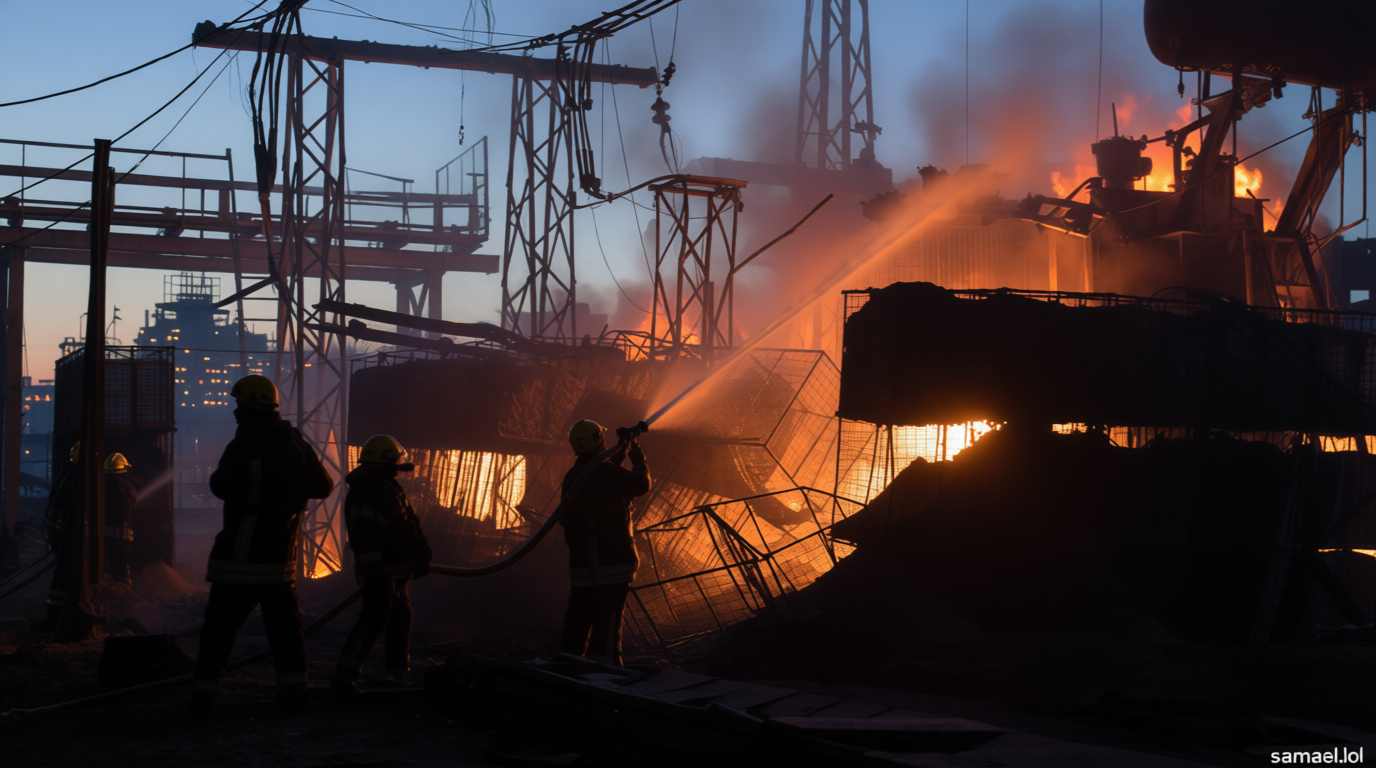
Samael.lol – Ever since the Chernobyl disaster, Ukraine has carried the weight of nuclear risks. Now, as Russia’s attacks on the nation’s power grid escalate, the country faces a fresh threat to its nuclear facilities. This crisis is altering global views on energy resilience in wartime. In late 2024, Russia launched extensive air strikes, targeting Ukraine’s energy infrastructure and heightening concerns over the safety of its nuclear plants. Multiple reactors lost grid connection, with one fully shut down. “It wasn’t fear that struck us,” recalls Shaun Burnie, a seasoned nuclear expert from Greenpeace. “It was sheer terror.” For Burnie, who has operated in highly radioactive zones, the peril stemmed from the potential consequences of prolonged disconnection.
Nuclear reactors depend on steady external power to operate cooling systems for their cores and spent fuel. When the grid fails, they switch to diesel generators. If reconnection doesn’t occur, the risk of overheating and meltdown grows. Ukraine is intimately familiar with this scenario. On April 26, 1986, a reactor at the Chernobyl plant exploded, displacing hundreds of thousands and spreading contamination across Europe. “Chernobyl is woven into our shared memory,” says Lena Kondratiuk, a 25-year-old from western Ukraine. “Everyone has family stories tied to it. Now, during the war, its significance feels more tangible.”
Decentralizing Energy for Resilience
Despite its reliance on nuclear energy for over half of its electricity, Ukraine is accelerating its shift toward decentralized power sources. This strategy offers greater protection against attacks, as renewable systems are harder to target, less expensive to repair, and quicker to install. Chris Alyett, an energy analyst at Chatham House, notes that a single missile could disable a 250-megawatt coal plant, but would require 40 to inflict similar damage on wind farms. Solar parks are even more robust. “Damage to solar facilities doesn’t always mean total failure—you can replace panels swiftly,” Alyett explains.
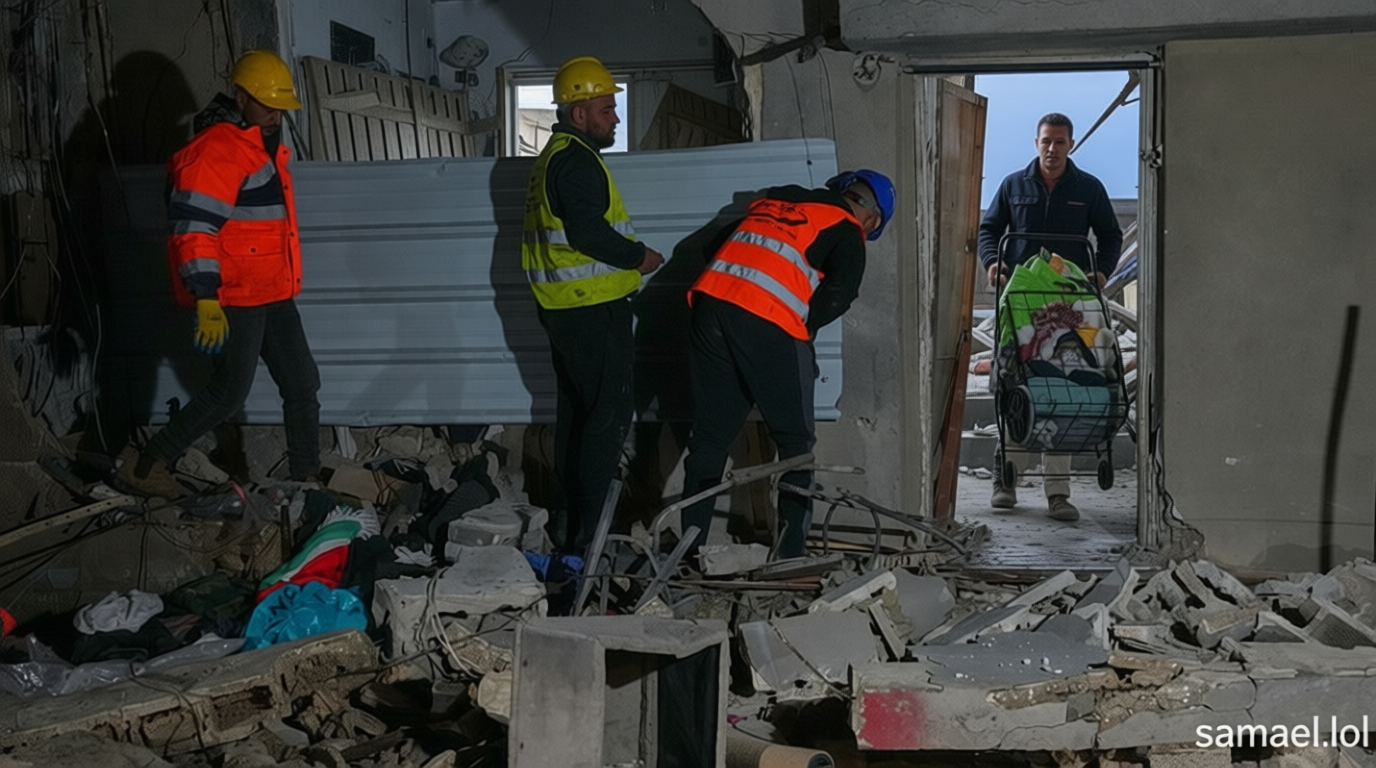
This transition is being driven by both energy firms and NGOs. Rooftop solar installations now power hospitals, schools, and public buildings. In 2025, Ukraine deployed enough solar systems to sustain over a million households, all while enduring ongoing conflict. Kondratiuk, who volunteered with Ecoclub at 18 and later became a renewables analyst, exemplifies this movement. After Russia’s full-scale invasion, the group pivoted from advocacy to direct action, launching the Solar Aid for Ukraine initiative as blackouts became routine. At 21, she began leading projects, driven by the urgency of the war. “I understood that I could lose my life tomorrow,” she says, “so I had to act.”
Kondratiuk’s efforts take her across the country, including to Mykolaiv, a city near the front line. During her first visit, the area was under shellfire and powered by diesel generators. “I didn’t want to return to the city because of the danger,” she admits. Yet, she now makes the 13-hour journey monthly, despite Russian attacks on passenger trains. “The people there teach me that happiness is still possible in war,” she reflects. “You can keep living, even under fire.”
These solar and battery systems are more than sustainable solutions—they are critical lifelines. Kondratiuk emphasizes that renewable energy in Ukraine is now about survival. “It’s about access to basics,” she says. “It’s about keeping water running, hospitals operating, and children charging their phones when the lights go out.” As the conflict continues, Ukraine’s energy strategy is proving that resilience can be built not just in power plants, but in communities.