EU leaders to discuss Iran, Ukraine at Cyprus summit
Key agenda items include Ukraine’s financial aid and Middle East tensions
Samael.lol – European Union leaders convened in Cyprus for a two-day summit, beginning with the backing of a €90 billion loan for Ukraine. Discussions also aim to tackle the EU budget and the consequences of the Middle East conflict. The gathering, held in Nicosia, brought together representatives from all 27 member states to address geopolitical issues, including the ongoing situation in Ukraine and Iran’s role in regional tensions.
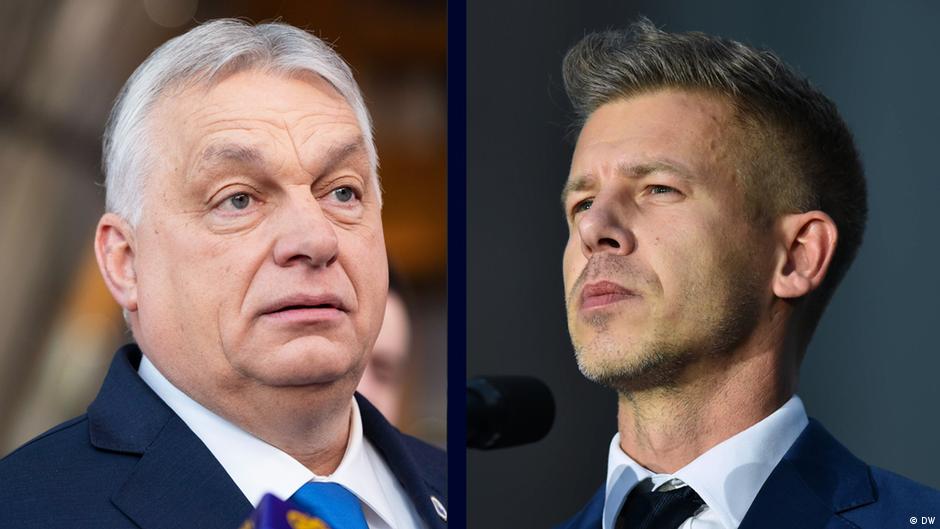
Leaders approved the substantial financial package on Wednesday, overcoming earlier resistance from outgoing Hungarian Prime Minister Viktor Orban, who was not attending. The €90 billion loan, long debated, is part of the EU’s strategy to support Ukraine. “Our approach to securing a fair and enduring peace in Ukraine depends on two foundations: bolstering Kyiv and intensifying pressure on Russia,” stated European Council President Antonio Costa in a post on X.
“Today marks progress on both fronts,” Costa added, emphasizing the EU’s dual focus.
Ukrainian President Volodymyr Zelenskyy is set to join the discussions in Ayia Napa, pushing for EU membership and urging further measures against Russia. The summit also includes meetings with Middle Eastern leaders, such as Lebanon’s Joseph Aoun, Egypt’s Abdel Fattah al-Sisi, Syria’s Ahmed al-Sharaa, and Jordan’s Crown Prince Hussein bin Abdullah. These talks will examine the Lebanon ceasefire and the US-Israel conflict with Iran.
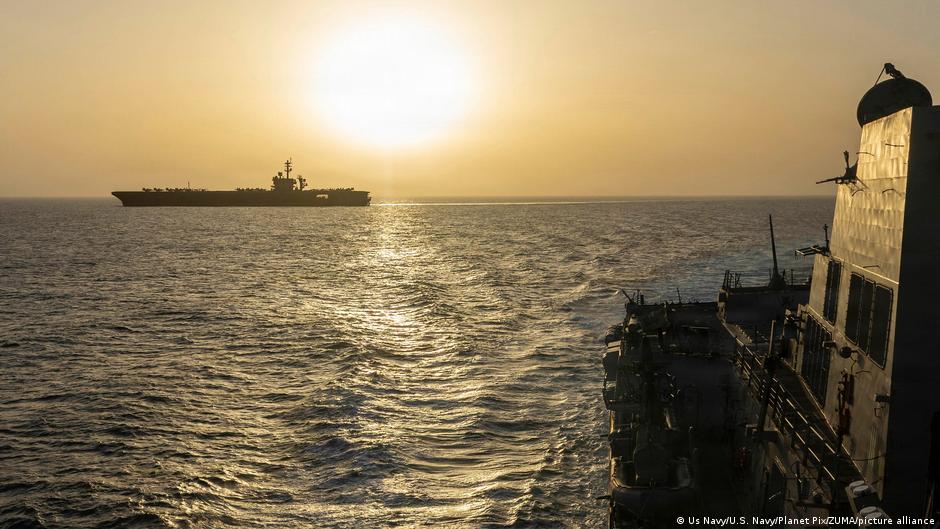
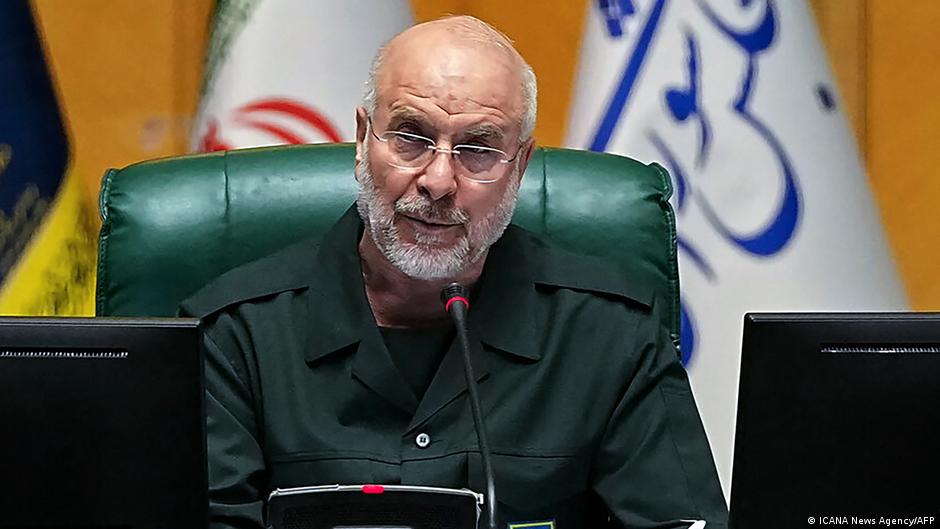
A separate ceasefire in the US-Israel war with Iran has raised concerns about energy security. Iran’s closure of the Strait of Hormuz has driven up energy prices, with 20% of EU jet fuel imports passing through the critical waterway. A senior EU official, speaking to AFP, said the bloc is prepared to act to maintain the strait’s open status if conditions align.
On Friday, leaders will also review the EU’s proposed 2028-2034 budget, seeking €2 trillion for long-term goals like enhancing competitiveness and defense. Financing these ambitions poses a challenge, as many member states face financial constraints.
Officials hope to finalize the budget plan by the end of 2026, ensuring stability amid rising global tensions.