How Guardiola found his best Man City XI
Samael.lol – Pep Guardiola has consistently demonstrated a knack for aligning his team’s performance with the right timing. His tenure at Manchester City has mirrored a familiar pattern: a strong September, followed by a dip in form as challenges mount. As supporters and analysts anticipate potential setbacks, Guardiola has refined his approach, ultimately settling on a system that feels most natural for his squad. This season’s trajectory could determine whether that narrative repeats itself.
Season’s Early Days
Manchester City opened their campaign with a 4-0 victory over Wolves, a match that highlighted their attacking prowess. The lineup against Arsenal last Sunday included Erling Haaland, Jeremy Doku, and Bernardo Silva as the sole remaining players from the opening fixture. However, significant tactical shifts had already occurred. Rico Lewis and Rayan Ait-Nouri transitioned from full-back roles into midfield, while Silva moved into a more advanced attacking position. These changes aimed to create fluidity, with City’s high press often overwhelming opponents.
Tactical Shifts and Challenges
Despite initial success, early-season struggles emerged. A 2-0 home defeat to Tottenham underscored these issues. Guardiola introduced Omar Marmoush and Rayan Cherki into the midfield, altering the team’s dynamic. The strategy of inviting pressure before quick transitions remained, but execution faltered. At times, defenders failed to cover gaps, allowing forwards like Pedro Porro to exploit space. The high line and offside trap, once effective, became less reliable as opponents adjusted.
In response, City tweaked their pressing approach. The wingers began targeting center-backs rather than full-backs, a shift that required new coordination. This adjustment, however, revealed vulnerabilities. For instance, Rodri, recovering from injury, found himself isolated, mirroring earlier issues with Nico Gonzalez. The defense’s lack of coverage exposed weaknesses, particularly when Brighton’s forwards outnumbered City’s defenders in a later match.
Evolution and Stability
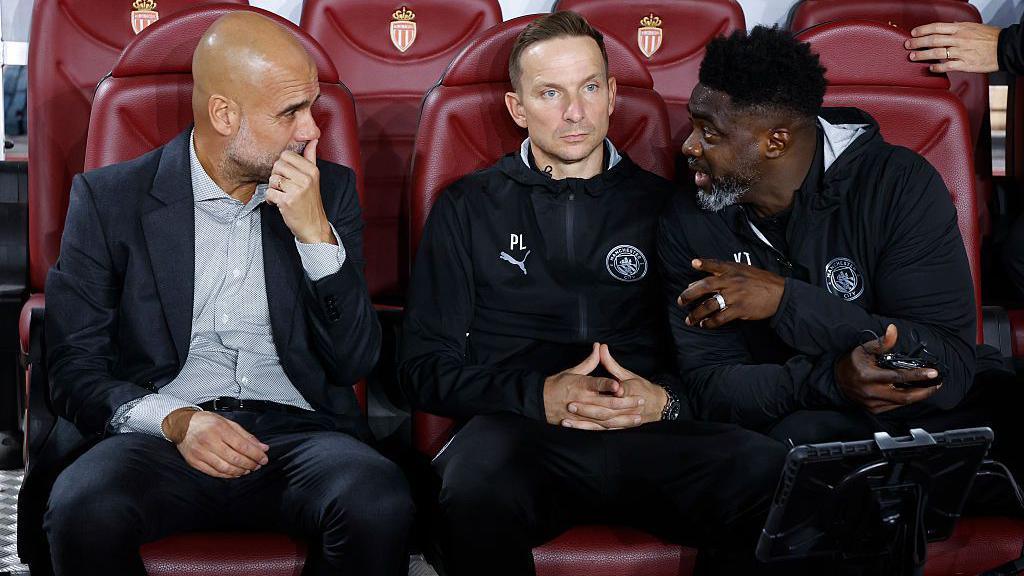
Guardiola’s persistence paid off as the season progressed. By repositioning players and refining roles, he gradually established a more cohesive structure. Key to this evolution was the integration of Pep Lijnders and the strategic use of signings like Tijjani Reijnders. The team’s ability to adapt defensively while maintaining attacking threats became a hallmark of their success. Now, as they face Southampton in the FA Cup semi-final, the focus is on executing a system that feels both resilient and dynamic.
Manchester City v Southampton FA Cup semi-final Saturday, 25 April at 17:15 BST Wembley Watch live on BBC One and BBC iPlayer and listen on BBC Radio 5 Sports Extra and BBC Sounds (both UK users only). Follow both and live text commentary on the BBC Sport website and app.
With a new formation and clearer roles, City now appears poised to challenge for the Premier League title. The adjustments, though iterative, have culminated in a team that operates with greater precision. Whether this system will sustain them through the final stretch remains to be seen, but Guardiola’s ability to evolve his tactics has once again proven invaluable.