Israel strikes Beirut for first time since Hezbollah ceasefire
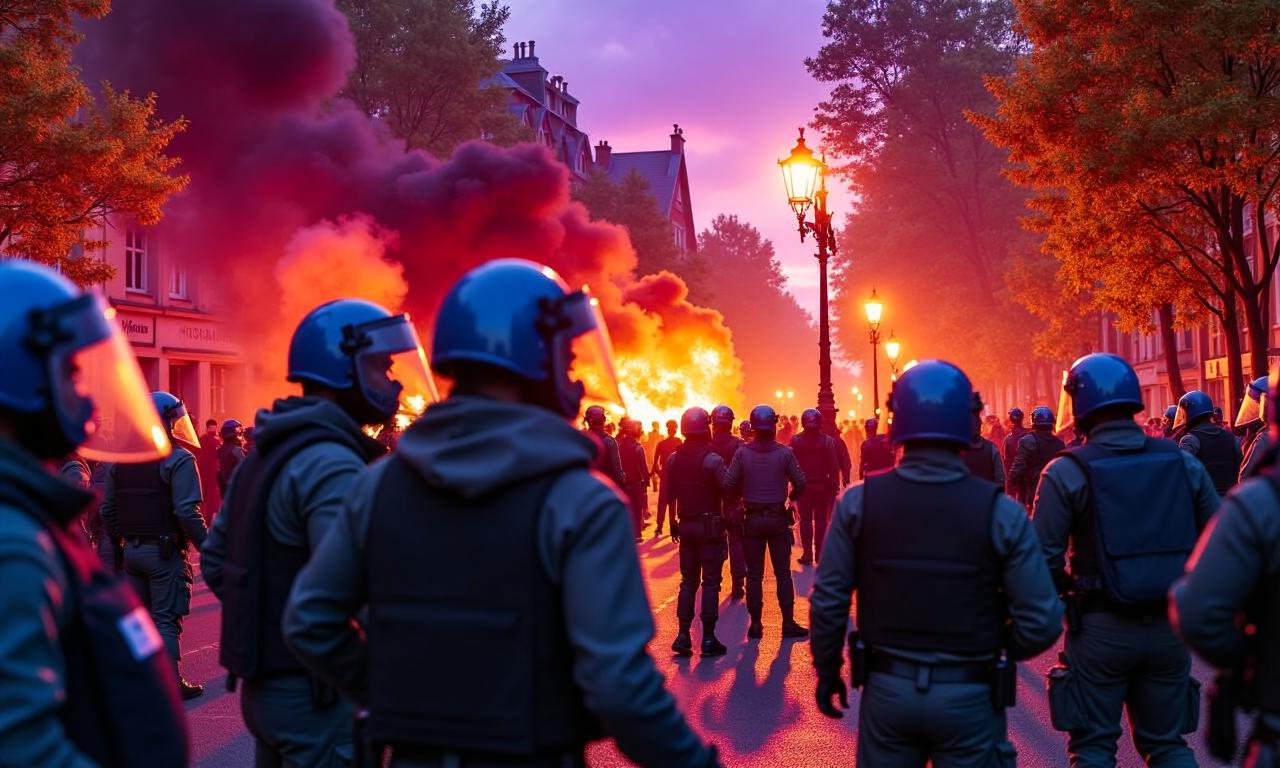
Samael.lol – For the first time in months, Israel launched an airstrike against Beirut, disrupting a fragile peace deal that had been in place since April 16. The attack, which targeted Hezbollah’s stronghold in the southern suburbs of the city—known as Dahieh—has reignited tensions in the region. Local media shared images of the damage, capturing scenes of intense fires and at least one structure that appeared severely compromised. This marks a significant escalation, as the conflict between Israel and Hezbollah has persisted despite the agreed ceasefire.
Context of the Ceasefire Agreement
The ceasefire deal, brokered by US President Donald Trump, aimed to halt hostilities between Israel and Lebanon. However, both sides have continued their military operations, accusing each other of breaking the agreement. Israel’s strikes have primarily focused on southern Lebanon, where the country claims to be targeting infrastructure and individuals affiliated with Hezbollah, the Iranian-backed militia and political party. The attack on Dahieh, though, is the first to strike the capital since the agreement was signed, signaling a shift in the conflict’s trajectory.
Netanyahu, in a statement, emphasized that the strike was personally authorized and targeted a high-ranking commander within Hezbollah’s elite Radwan Force. The assault occurred around 20:00 local time (18:00 BST), during a meeting of unit members. While Hezbollah has yet to respond publicly, the attack underscores the ongoing distrust between the two groups. The commander targeted was reportedly responsible for attacks on Israeli communities and for engaging Israeli soldiers in combat.
Humanitarian Impact and Casualties
Lebanon’s health ministry reports that the attacks have resulted in the deaths of over 120 individuals across the country in the past week alone, with no specific differentiation made between combatants and civilians. The ministry’s data highlights the broad reach of the conflict, as villages near the Israeli border have been heavily impacted. The destruction in Dahieh, once a vibrant and densely populated district, has left many residents fearful of returning home. Some describe the area as eerily quiet, with families hesitant to re-enter due to the persistent threat of Israeli strikes.
Israeli officials argue that the occupied border strip is essential for creating a Hezbollah-free security zone. This area, they claim, serves as a buffer to protect northern Israeli communities from potential attacks. The strategy mirrors tactics used in Gaza, where entire neighborhoods were razed during military operations. Human rights organizations have raised concerns about the possibility of war crimes, citing the indiscriminate nature of some strikes.
Hezbollah’s Retaliatory Actions
Despite the ceasefire, Hezbollah has not been idle. The group has carried out attacks on Israeli troops stationed in Lebanon and northern Israel, using rockets and drones. Recently, an Israeli defense ministry contractor was killed by a drone while operating an excavator in southern Lebanon. This incident, along with others, has fueled accusations that Hezbollah is continuing its operations covertly.
Hezbollah’s initial stance on the ceasefire was conditional. The group stated it would adhere to the agreement only if Israel respected it. However, the latest Israeli strike suggests the deal is not holding firm. The conflict has claimed over 2,700 lives in Lebanon since March 2, with the health ministry attributing the toll to ongoing attacks. Israel has confirmed 16 soldiers and one civilian have been killed in southern Lebanon, as well as two civilians in northern Israel.
International Mediation and Ongoing Talks
US-backed negotiations between Israel and Lebanon have continued, though progress has been slow. Discussions have largely occurred at the ambassador level, with Lebanese President Joseph Aoun expressing reluctance to meet with Israeli Prime Minister Benjamin Netanyahu in the near future. This hesitation reflects deeper political divisions, as Lebanon grapples with the dual pressures of maintaining peace with Israel and addressing domestic unrest.
Netanyahu’s statement, delivered in a
“No terrorist is immune—Israel’s long arm will reach every enemy and murderer.”
, reinforces the government’s commitment to targeting Hezbollah leaders. The Israeli military maintains that its actions are necessary to safeguard its citizens, even as the attacks draw criticism from international observers. The strike on Dahieh has further complicated the ceasefire, raising questions about its viability.
Regional Implications and Future Outlook
The attack on Beirut has reignited fears of a broader conflict, with some analysts warning of a potential resumption of hostilities. The southern suburbs of the city, a key Hezbollah area, have become a focal point for Israeli operations. This targeting strategy has been consistent with previous actions, where infrastructure and civilian areas were struck in the name of counterterrorism.
While the US has played a central role in mediating the ceasefire, its influence appears limited. The Israeli military’s insistence on maintaining a security zone along the border has left Lebanon in a precarious position, balancing the need for peace with the reality of Hezbollah’s ongoing activities. The death of the defense contractor, coupled with the recent airstrike, highlights the daily risks faced by both military and civilian personnel in the region.
Residents of Dahieh, who have evacuated their homes since the ceasefire, remain skeptical about the deal’s permanence. Many describe the district as a symbol of Hezbollah’s power, but also of the devastation caused by the conflict. As the attacks continue, the humanitarian crisis deepens, with families trapped in a cycle of displacement and fear. The situation in Lebanon now hangs in the balance, with the ceasefire facing renewed challenges from both sides.
Hezbollah’s ability to regroup and retaliate remains a concern for Israeli officials, who view the militia as a persistent threat. The group’s use of drones and rockets has demonstrated its capacity to strike deep into Israeli territory, even as it faces air attacks from its northern neighbor. The conflict’s escalation has also drawn attention to the role of external actors, with Iran’s support for Hezbollah adding a geopolitical dimension to the violence.
With no clear resolution in sight, the future of the ceasefire remains uncertain. The attack on Beirut serves as a reminder that the peace deal is fragile, and that both sides are willing to test its limits. As the situation evolves, the impact on civilians and the broader region will continue to be a critical factor in determining the course of the conflict.