Did PSG ‘get away’ with handball decisions?
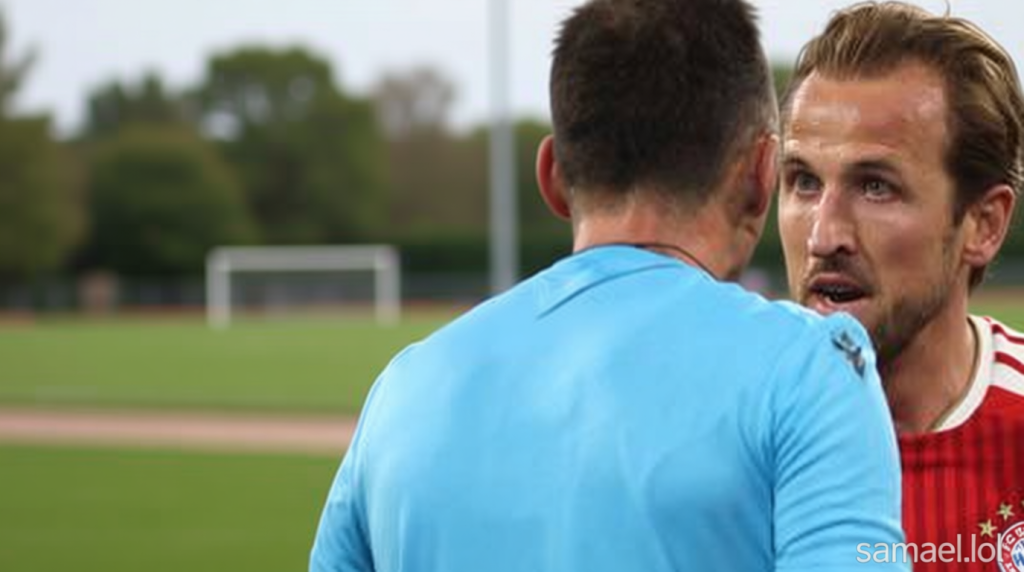
Did PSG ‘get away’ with handball decisions?
Two Controversial Handball Moments Under Scrutiny
Did PSG get away with handball – In the high-stakes arena of the Champions League, decisions made by referees often spark debate among fans and pundits alike. This week, analysts Nedum Onuoha, Guillem Balague, and Stephen Warnock dissected two pivotal handball incidents during a recent match involving Paris St-Germain. These moments, which could have altered the course of the game, raised questions about whether the French giants exploited the rules to their advantage.
The first incident occurred in the 56th minute of the encounter, where Nuno Mendes, PSG’s left-back, was seen making a challenge that left the ball in contact with his hand. The referee, however, opted not to award a penalty, and the moment was left unchecked. Balague noted the tension in the air as the decision hung in the balance, with fans on both sides of the pitch divided in their interpretations. “It’s a split-second call that can define a match,” he remarked, emphasizing the pressure on officials during such tight moments.
Onuoha, who has analyzed countless games for the BBC, pointed out the potential for a red card in that instance. “Mendes was in a defensive position, but the timing of the handball was crucial,” he explained. “If the ball had touched his hand before the tackle, it might have been a clear penalty. However, the sequence of events was slightly ambiguous, allowing the referee to rule in PSG’s favor.” Warnock added that the decision reflected a broader trend in modern football, where handball calls are often scrutinized for their fairness and accuracy.
The second handball controversy emerged in the 72nd minute, when a Bayern Munich player was fouled in the penalty area. The ball struck the arm of the defender, yet the referee chose to let the play continue. This decision, Balague argued, could have been a game-changing moment for Bayern. “The handball was clean, and the player was in an offside position, but the proximity to the goal made it a critical call,” he said. “It’s a situation where the referee’s judgment can tip the balance in favor of one team over another.”
Onuoha suggested that the referee’s hesitation stemmed from the complexity of the play. “Handball decisions aren’t always straightforward, especially when multiple players are involved. In this case, the defender’s arm was raised just as the attacker’s shot was on target, creating a dilemma for the officials.” Warnock echoed this sentiment, highlighting the fine line between fair play and questionable rulings. “Referees have to make split decisions under immense pressure, and sometimes the outcomes feel unfair, even if the rules are followed correctly.”
While the two handball incidents were not awarded, they sparked a wider discussion about the consistency of officiating in elite competitions. The analysts debated the implications of such decisions, particularly in high-profile matches where the margin for error is slim. “These moments remind us how crucial the referee’s call is in deciding the fate of a game,” Balague observed. “When a handball is missed, it can lead to a wave of controversy that lingers long after the final whistle.”
Onuoha emphasized the importance of technology in assisting referees. “With VAR now a part of the process, we’ve seen more precise calls, but there are still situations where human judgment plays a decisive role.” Warnock added that the handball decisions highlight the need for clear communication between officials and the players, as well as the importance of training to minimize errors. “Every handball is a potential game-changer, and the way it’s handled can make or break a team’s performance.”
The analysts also discussed the broader impact of such decisions on the teams’ strategies. In the first incident, PSG’s players seemed to capitalize on the lack of a penalty, leading to a goal that kept them in the running for progression. Meanwhile, Bayern Munich’s failure to secure a penalty left them vulnerable in the second half, as their midfield dominance was challenged. “These decisions aren’t just about the immediate outcome—they affect the overall flow of the match,” Warnock stated. “A missed handball can shift momentum and influence the final result.”
Balague, known for his sharp insights on football tactics, highlighted the psychological impact on players. “When a handball is not called, it can embolden the team that committed it. It’s a morale boost, even if the play is slightly in their favor.” He also noted the role of crowd influence, suggesting that referees might be swayed by the noise and energy of the fans. “The atmosphere in a Champions League match is electric, and it can create an environment where decisions are made more quickly than they should be.”
The debate over handball decisions continues to evolve, with fans and analysts alike demanding greater transparency and accuracy. Onuoha argued that while the rules are clear, their interpretation remains subjective. “There’s no one-size-fits-all approach to handball, which means some decisions will always be contentious.” Warnock, however, believed that the introduction of VAR had made such errors more visible and less frequent. “It’s a step forward, but there’s still room for improvement. Every game is a learning opportunity for the officials.”
As the season progresses, the analysts remain hopeful that the scrutiny on handball decisions will lead to better rulings. “Football is a game of small details, and these moments are part of what makes it so thrilling to watch,” Balague concluded. “Even when a team gets away with a handball, the debate keeps the sport alive and keeps fans engaged.” The discussion, though, underscores the importance of precision in officiating, especially in the high-pressure environment of the Champions League.
Meanwhile, the video analysis of the two handball incidents has been widely shared among fans. It’s a valuable resource for understanding the nuances of the calls and how they shaped the game’s outcome. “Watching the replay, you can see the exact moment the handball happened, which makes the debate more compelling,” Onuoha said. “It’s a way for fans to get closer to the decision-making process and question whether the rules were applied consistently.”
With the competition entering its crucial stages, the accuracy of referees will be under even more scrutiny. The analysts’ commentary serves as a reminder that every call, no matter how small, can have a lasting impact on the teams’ journeys. “These moments are part of the story of the Champions League,” Warnock added. “They add drama and uncertainty, which is what makes the tournament so unpredictable and exciting.”
As the season unfolds, the focus on handball decisions will likely continue, with fans and experts alike eager to see whether the rules are being applied fairly. The two incidents examined by the analysts are just a snapshot of the challenges faced by referees in maintaining consistency and fairness. “Football is a sport of passion and precision,” Balague said. “When the two collide, it creates moments that are both heartbreaking and thrilling for fans.”
For now, the question remains: did PSG truly benefit from the missed handball decisions, or were they simply lucky? The analysts agree that the answer lies in the details of the play, the officials’ interpretation, and the broader context of the match. “It’s not just about the handball itself—it’s about how the game