Liverpool reduce planned rise in ticket prices
Liverpool Reduce Planned Rise in Ticket Prices
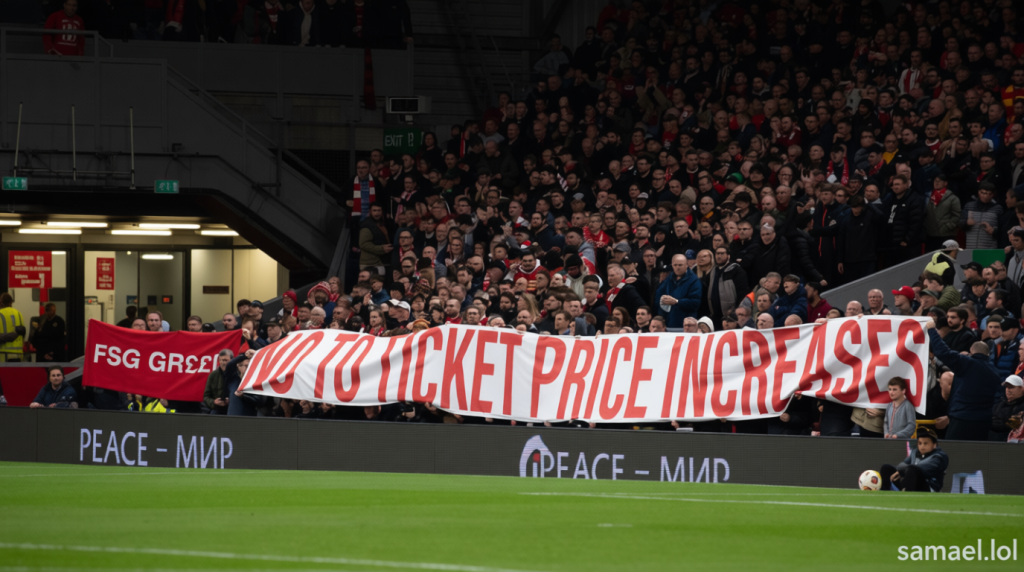
Liverpool reduce planned rise in ticket – Under the management of Fenway Sports Group, Liverpool Football Club has made a significant adjustment to its ticket pricing strategy after responding to sustained pressure from supporters. The decision to temper the expected increase in prices for the upcoming seasons marks a notable shift in the club’s financial approach, which had previously signaled a more aggressive path tied to inflationary trends. This change comes following a series of demonstrations by fans who expressed concerns over the growing cost of attending matches, particularly as the club aims to balance revenue growth with affordability.
Previous Plan for Ticket Increases
Initially, Liverpool had announced a three-year pricing model aligned with the consumer price index (CPI), which would see ticket costs rise in tandem with inflation. This plan, unveiled earlier in the season, was met with immediate criticism from fan groups, who argued that the increases could make it harder for supporters to afford matches. The CPI-linked approach, while designed to offset inflation, was perceived as potentially outpacing the real cost of living for families and individuals who rely on attending games as a regular activity.
The club’s new proposal, however, introduces a more measured approach. For the 2026-27 season, general admission ticket prices will increase by just 3%, a far smaller jump than the anticipated inflationary adjustments. The following season, 2027-28, will see a complete freeze on prices, offering fans a temporary reprieve. This adjustment reflects the club’s willingness to engage with its supporter base and adapt to their feedback, particularly as the financial landscape for football fans continues to evolve.
Protests and Fan Engagement
The decision was not made in isolation. Fan representatives have been actively involved in discussions with the club’s management, leading to a series of protests that highlighted widespread dissatisfaction. These demonstrations, which took place over several days, underscored the emotional and financial toll of rising ticket costs. Supporters argued that the proposed increases could price out long-time fans, particularly those from lower-income brackets, and reduce the accessibility of the club’s matches.
Among the key groups involved in the campaign was the Spirit of Shankly, a well-known fan organization that spearheaded the ‘Not a Pound in the Ground’ initiative. This campaign encouraged supporters to purchase food and drinks from local businesses in the Anfield area instead of the stadium’s own concessions, aiming to reduce the overall cost of attending games. The movement gained traction quickly, with fans using social media and public forums to voice their concerns and rally support for a more affordable pricing model.
The club’s supporters board played a crucial role in mediating these discussions. Their collaboration with the fan groups helped identify areas of compromise, particularly in the context of the club’s broader financial goals. While the 3% increase for the 2026-27 season is still a step forward, it signals a commitment to exploring alternative solutions for future seasons. The board emphasized that this adjustment is a starting point, with further negotiations set to address long-term affordability and access for all supporters.
Future Discussions and Commercial Strategies
Although the current pricing model has been revised, Liverpool remains focused on developing sustainable strategies for the next few years. The club has indicated that it will continue working with the supporters board to evaluate commercial opportunities that could help offset the need for further price hikes. These ideas include expanding sponsorship deals, optimizing venue operations, and leveraging digital platforms to enhance fan engagement without increasing costs.
The club’s statement acknowledges that the 3% increase may still be a point of contention for some supporters, especially those who had expected a more substantial reduction. However, it also emphasizes the importance of balancing financial sustainability with fan accessibility. “We understand that disappointment at next season’s increase in ticket prices will remain for some,” the joint statement noted, “but we want to assure fans that we will continue talks with the club and do our best to find other ways in the future.”
The club’s management has warned that without broader progress on alternative solutions, further inflationary increases may still be necessary in the long term. This caution highlights the delicate nature of the negotiations, as the club must navigate the demands of its supporter base while maintaining profitability. The supporters board has been instrumental in this process, acting as a bridge between the club’s management and the fans who have invested both financially and emotionally in the team.
Quotes from Fan Representatives
“Fan affordability and access are central to the identity of Liverpool FC,” said a spokesperson for the fan representative groups. “The decision to abandon the three-year pricing model is a positive step, but it’s only the beginning. We need to ensure that our discussions continue to prioritize the needs of the community and the long-term health of the club.”
The same group emphasized that the 3% increase is a compromise that allows for ongoing dialogue. “We welcome the decision that Liverpool FC will no longer proceed with its previously announced three-year ticket pricing model,” the statement continued. “Following protests and conversations with the supporters board over the past few days, the club has pledged a new proposal that will allow us to examine thoroughly long-term solutions surrounding fan affordability and access.”
The campaign, ‘Not a Pound in the Ground,’ also served as a symbolic reminder of the broader impact of ticket pricing on the local economy. By encouraging supporters to spend at nearby businesses, the initiative aimed to highlight the ripple effect of price increases, not only on individual fans but also on the surrounding communities. This approach resonated with many, as it tied the club’s financial decisions to the wider social fabric of Liverpool.
As the club moves forward, the focus will remain on creating a pricing model that is both fair and viable. The supporters board’s role in this process is critical, as it provides a platform for fans to have a say in the club’s decisions. This collaboration has already yielded positive results, but the challenge of ensuring long-term affordability and access will require continued effort and innovation.
The revised pricing plan is expected to ease some of the immediate financial strain on supporters, but it also raises questions about future stability. How will the club manage its finances while keeping prices low? What other measures can be taken to ensure affordability? These are the key issues that will shape the next phase of negotiations. As the 2026-27 season approaches, fans will be watching closely to see whether this adjustment can serve as a foundation for more sustainable pricing in the years to come.