Processing the Pain: A Guide to Bouncing Back After England’s World Cup Exit
Samael.lol – When disappointment strikes in football, the emotional toll can linger for days or even weeks, according to devoted supporters. England’s journey came to an end following a thrilling semi-final clash in Atlanta, where Argentina staged a remarkable comeback to secure a 2-1 victory. Despite Harry Kane opening the scoring early in the second half, the Three Lions could not maintain their advantage until the final whistle.
As supporters process this heartbreaking elimination, experts have outlined several strategies to help navigate the emotional aftermath of such a significant sporting setback.
Understanding the Depth of Football Heartbreak
The sting of defeat in football often proves more acute than losses in other sports disciplines. Dr Martha Newson, a behavioural scientist at the University of Greenwich, explains that while few people shed tears over Wimbledon results, football carries different emotional weight.
“Football is different… we talk about the national team like it’s us out there,” she notes, highlighting the personal connection fans feel with their country’s performance.
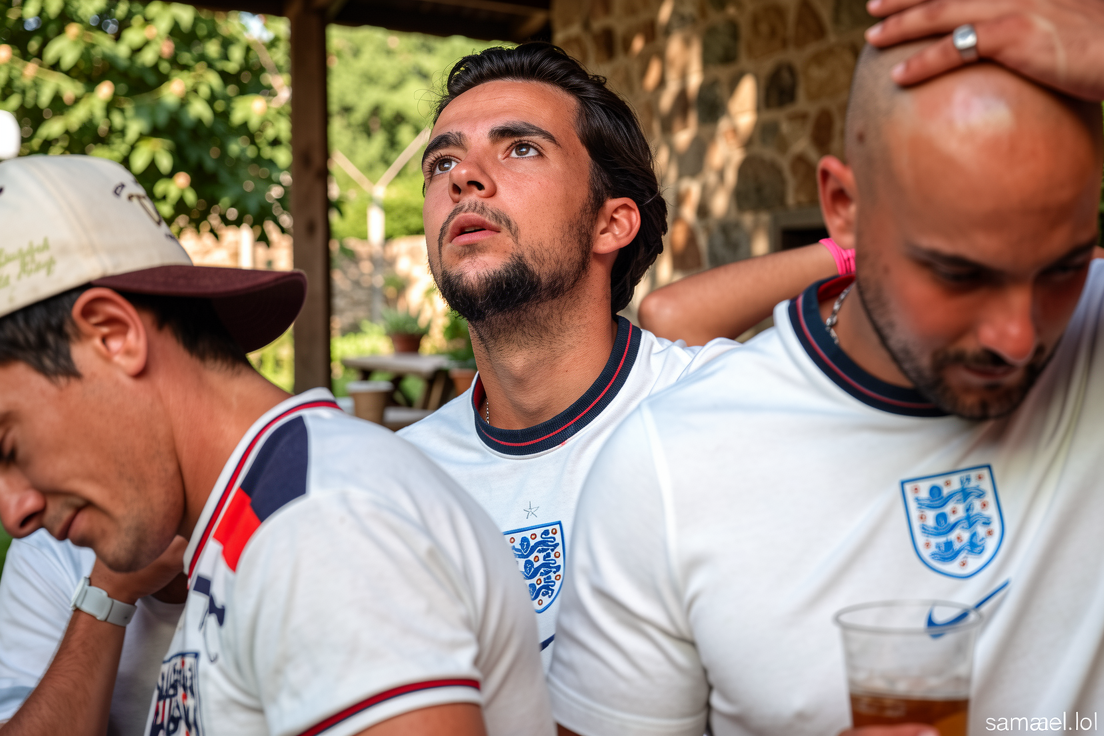
For supporter Oli Portlock, watching England fall short feels akin to attending a “national funeral… a big grey cloud over the nation when England’s been knocked out”. The 27-year-old from Preston vividly remembers the “absolute heartbreak” of England’s Euro 2020 final loss to Italy at Wembley, recalling how it “certainly ruined the next week in work for me.”
Recognizing and Accepting Your Emotions
Dr David Crepaz-Keay from the Mental Health Foundation emphasizes that acknowledging your feelings represents a crucial first step. Rather than worrying excessively, he reassures fans that this emotional dip “typically fades within a couple of hours”. If you find yourself wallowing in misery, simply ride it out and remind yourself that this reaction is entirely normal.
One effective approach involves consciously reflecting on positive tournament moments. Oli suggests rewatching highlights such as Harry Kane’s dramatic comeback against DR Congo, or Jude Bellingham’s remarkable double in just 98 seconds against Mexico that secured England’s quarter-final place.
“For me, it’s probably trying to reflect on all the great memories I’ve created throughout the tournament,” says Oli, who followed England from his hometown to the United States.
Reliving the Highlights and Finding Joy
Disappointed supporters might find comfort in revisiting England’s 14 World Cup goals throughout the tournament. Oli recommends listening to music associated with past successes—Wonderwall for this year’s campaign or Sweet Caroline for Euro 2020—rather than dwelling on the recent disappointment.
Other memorable moments worth cherishing include staying up an extra hour following severe storms that pushed a kick-off to 02:00 BST, or squeezing into crowded pubs during a record-breaking heatwave to watch earlier matches.
England fan Jayne Howells, aged 54, supports this positive approach and warns against hastily searching for mistakes or assigning blame in anger. “A lot of these players… they’re going to be gutted as well. It’s not about knocking them down, but saying they actually did really well. That’s how you make a stronger team.”
Sharing Your Feelings with Others
The initial hours following a loss typically prove the most challenging, according to Dr Crepaz-Keay. However, he cautions that “taking your disappointment out on someone else is not the way to go”. Instead, both he and Dr Newson recommend sharing your feelings as one of the most effective recovery methods.
“The best thing to dissipate that frustration, Crepaz-Keay says, is to ‘talk about it, rant about it’ and get through it quickly, in the right way, with the right people.”
Oli confirms this approach, noting that “talking with mates down the pub” helps you realize you’re “on the same page” with fellow supporters experiencing similar pain. “It does evoke disappointment,” he admits, “but it helps to ‘get it out of your system’.”
Physical Activity and Maintaining Routine
If you catch yourself reaching for snacks after a defeat, don’t blame your willpower alone. Dr Newson explains that “we do find that fans consume more calories after a loss,” likely due to an unconscious “evolutionary” response to protect ourselves following a loss.
While everyone copes differently, experts suggest that being with others, getting adequate rest, and opening up emotionally tend to work best. Dr Crepaz-Keay advises that “getting outside and being active will help,” even if this simply means walking and singing on your journey home from a match to release pent-up energy.
For Andy Taylor, 38, who traveled to both New York and Boston to support England, returning to normal daily routines provides significant comfort. He describes how the “day-to-day bits”—such as walking the dog, going for a run, and reflecting on positive aspects—help elevate his mood.
Andy acknowledges that football heartache takes “days, even weeks to get over,” but offers this reassuring perspective: “Football isn’t life or death.” His first major tournament experience—Euro 1996, when Germany eliminated England in a tense semi-final—was “devastating,” yet he could always look forward to future competitions.