Trump’s China Visit: A Showcase of Diplomacy and Tradition
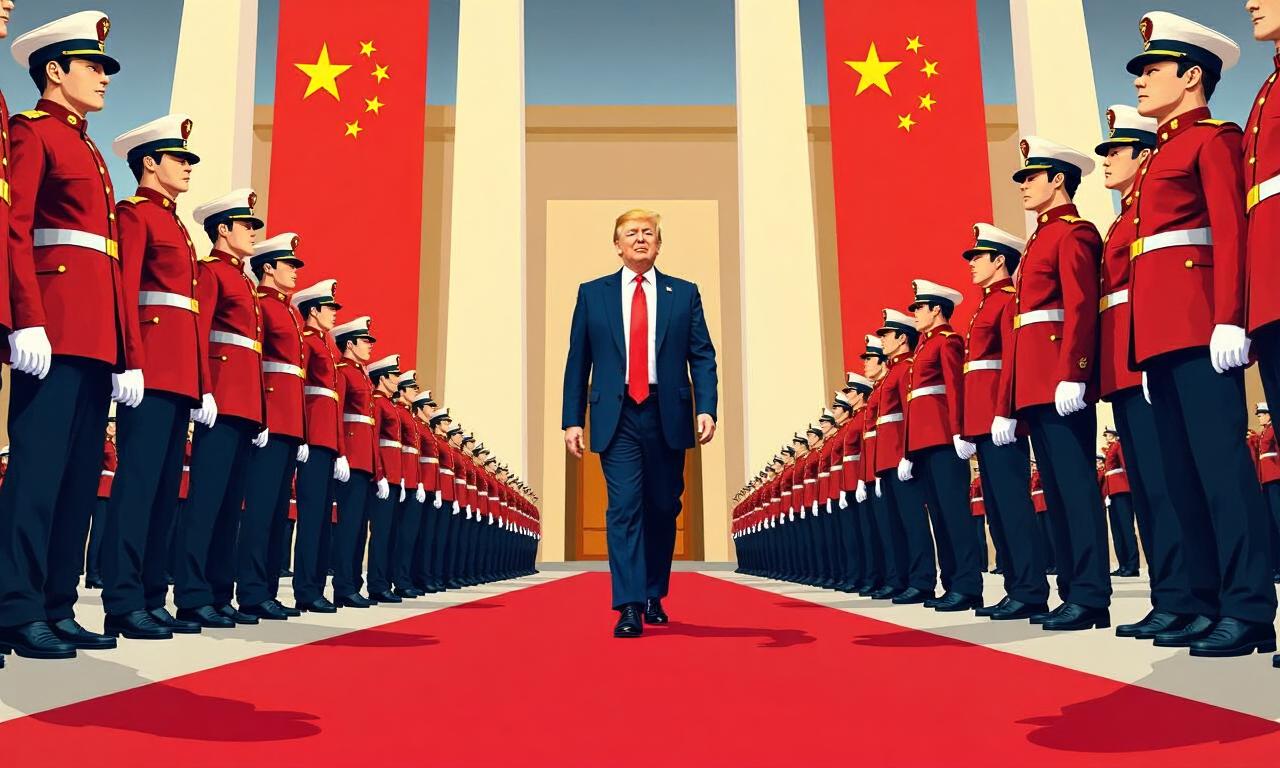
Samael.lol – President Donald Trump’s arrival in Beijing marked the beginning of a high-profile diplomatic engagement. The visit, which included a two-hour meeting with Chinese President Xi Jinping, was preceded by a grand military procession and enthusiastic greetings from local children. Trump’s itinerary also featured a guided tour of the historic Temple of Heaven, symbolizing his emphasis on cultural diplomacy during the trip. As the visit unfolded, global observers anticipated discussions on trade, security, and geopolitical tensions between the two nations.
Key Moments and Symbolic Gestures
The ceremony at Tiananmen Square highlighted the ceremonial weight of Trump’s presence. A synchronized troop parade, accompanied by traditional music, set the tone for the state visit, while crowds of young spectators waved flags and cheered. The meeting with Xi Jinping, held in a formal setting, was expected to address pressing issues such as the U.S.-China trade war and the ongoing geopolitical rivalry. Trump’s public appearances, including his remarks on the economic and strategic benefits of the visit, underscored his approach to international relations as both a transactional and symbolic endeavor.
Global Reactions and Unrelated Developments
Meanwhile, the French president took a decisive action during a speech in Kenya, standing up to command silence from the audience. The gesture, described as a “show of force,” followed a moment of vocal disorder, emphasizing the leader’s authority in the room. In a separate development, the Dutch foreign ministry confirmed the removal of a British, German, and Dutch citizen from a ship affected by the virus. The event, which occurred after a week of containment efforts, highlighted the global reach of pandemic-related disruptions.
Symbolism in Washington, DC
Back in the U.S., an art installation in Washington, DC, drew attention for its poignant message. Each bear displayed in the exhibit represented a child reported as abducted by Russia in Ukraine, serving as a visual reminder of the conflict’s human toll. The piece, which combined art with advocacy, sparked conversations about international humanitarian concerns and the role of cultural symbols in political discourse. Officials noted the installation’s impact, with some describing it as a powerful commentary on the war’s consequences.
Challenges in Fire Management
Amid the political spotlight, natural disasters presented another set of challenges. Firefighters in two states faced heightened difficulties due to persistent dry conditions, strong winds, and severe drought. These factors, combined with the lack of adequate resources, made containment efforts more complex. Local authorities reported a surge in emergency calls and extended response times, prompting calls for federal assistance and improved preparedness measures.
Strategic Tensions in the Gulf
Trump’s extended ceasefire with Iran did not immediately ease tensions in the Gulf. Despite his announcement, several vessels were targeted in the Strait of Hormuz, a critical chokepoint for global oil traffic. The attacks, which occurred within hours of the ceasefire declaration, raised questions about the effectiveness of the agreement. Analysts pointed to the region’s strategic importance, noting that the conflict’s continuation could disrupt energy markets and escalate regional hostilities.
Peace Talks and Diplomatic Momentum
Peace talks in Islamabad, Pakistan, continued to gain traction, with the BBC’s Azadeh Moshiri reporting on the progress made so far. While no official date had been set for the final agreement, diplomats from both sides expressed cautious optimism. The U.S. vice-president’s announcement after 21 hours of negotiations signaled a shift in the dialogue, though challenges remained in aligning interests between the participating nations.
Iranian Concerns and Naval Blockades
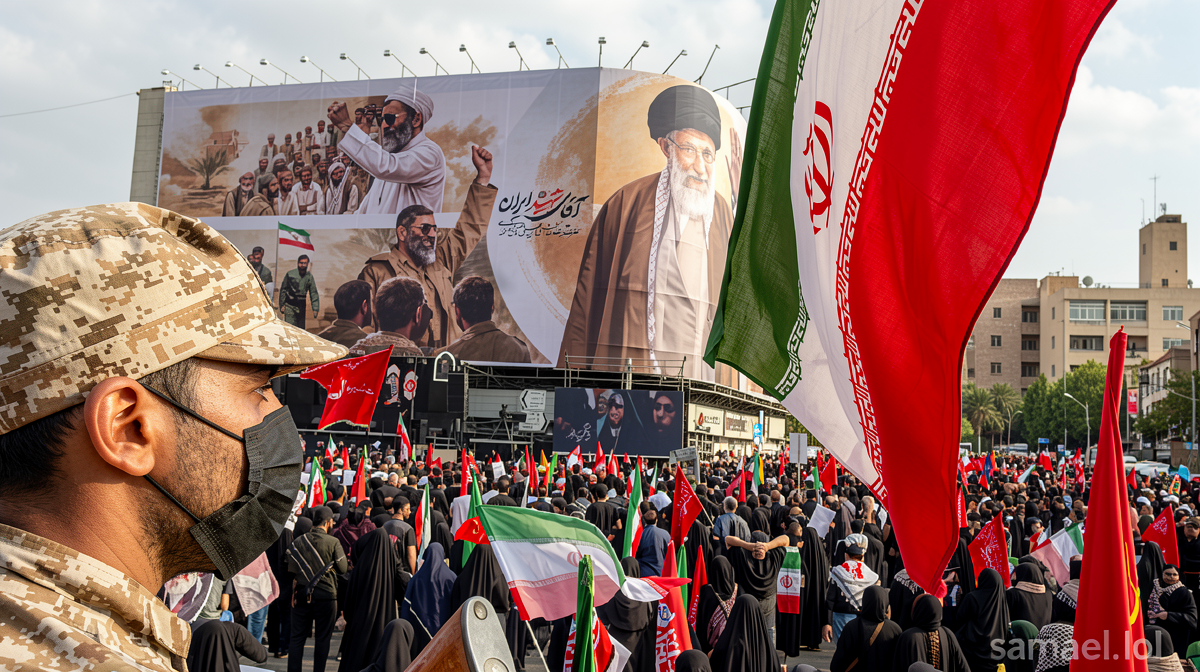
Iranian officials voiced apprehension over the U.S. naval blockade, which had disrupted the country’s access to critical ports. Esmail Baghaei, a key figure in the talks, highlighted the impact of the blockade on trade and daily life. The seizure of an Iranian vessel by U.S. forces, as confirmed by the White House, added to the sense of urgency. Tehran responded by urging citizens to gather near potential U.S. and Israeli targets, a move seen as a demonstration of national solidarity.
Media Insights and Economic Risks
The BBC’s security correspondent, Frank Gardner, provided a detailed analysis of the U.S. naval strategy against Iran. The correspondent explained how the blockade would limit Iran’s ability to export goods, potentially affecting its economy and regional influence. In a related report, BBC’s Michelle Fleury outlined the key risks facing the global economy, including oil price volatility, inflation, and interest rate fluctuations. The IMF’s warnings about the impact of war and rising energy costs added context to the ongoing crisis.
Oil and Energy: A Global Concern
The interplay between oil, inflation, and interest rates emerged as a focal point in economic discussions. Fleury noted that energy markets were under strain, with fluctuations threatening to destabilize global growth. The U.S. government’s actions in the Gulf were linked to these concerns, as the region’s oil supply remained a critical factor. Additionally, some of the country’s most affordable fuel sources were found on tribal lands, where tax exemptions allowed for lower prices despite broader economic pressures.
Domestic Opposition and Public Sentiment
Back in the U.S., residents of Social Circle, Georgia, rejected a proposal to convert an abandoned warehouse into a detention center. The plan, backed by the Department of Homeland Security, faced criticism from both political parties, with many citing concerns over community impact and operational costs. The opposition highlighted a growing divide over immigration policies, reflecting broader national debates about border security and refugee intake.
Public Engagement and Policy Priorities
The BBC sought to understand public sentiment by engaging Trump’s supporters at a major conservative gathering. Questions on Iran, economic policy, and immigration dominated the conversation, with attendees emphasizing the need for strong leadership and decisive action. Trump’s supporters framed the Iran situation as a necessary step to protect national interests, while also highlighting the administration’s focus on economic revival and border control.
Leadership and International Rivalries
The visit to China also showcased Trump’s efforts to counter criticism from global leaders. Following Pope Leo’s public rebuke of the war in Iran, the president launched a sharp response, accusing the pontiff of undermining U.S. foreign policy. This exchange, though symbolic, reflected the deepening rift between the administration and religious institutions. Meanwhile, the BBC’s Ione Wells provided an update on the next steps for the U.S. and the broader region, focusing on the potential for renewed cooperation or conflict.
Strategic Messaging and Diplomatic Leverage
Trump’s announcement of a two-week ceasefire with Iran was framed as a “total and complete victory,” though the immediate attacks in the Strait of Hormuz cast doubt on its effectiveness. The president’s warning to Iran, targeting its ability to reopen the strait by a specified deadline, underscored his assertive style. The message was clear: failure to reach an agreement could lead to further military action, intensifying the region’s instability.
As the visit to China progressed, the broader geopolitical landscape remained in flux. The interplay between U.S. leadership, Iranian resistance, and international diplomacy highlighted the complex web of relationships shaping global affairs. With each development, the world watched closely for signs of progress or escalation, ensuring that Trump’s actions continued to resonate far beyond the confines of any single nation.
“It was impossible for speakers to be heard,”
the French president remarked during the chaotic conference in Kenya, capturing the essence of his intervention. Similarly, Trump’s assertion of victory in the Iran negotiations, while bold, was met with scrutiny over its practical implications. These moments, though seemingly isolated, illustrated the interconnected nature of global events and the leadership’s role in navigating them.
The BBC’s coverage of these developments underscored the importance of media in shaping public perception. From the symbolic grandeur of a Chinese parade to the stark realities of a naval blockade, each story contributed to a larger narrative of international relations. As the world grappled with economic, military, and humanitarian challenges, the stage was set for continued tension and negotiation.