Covid jabs huge success, but work needed on trust in vaccines – key findings from Covid report
Covid Vaccines Achieve Remarkable Success, Yet Trust Challenges Remain
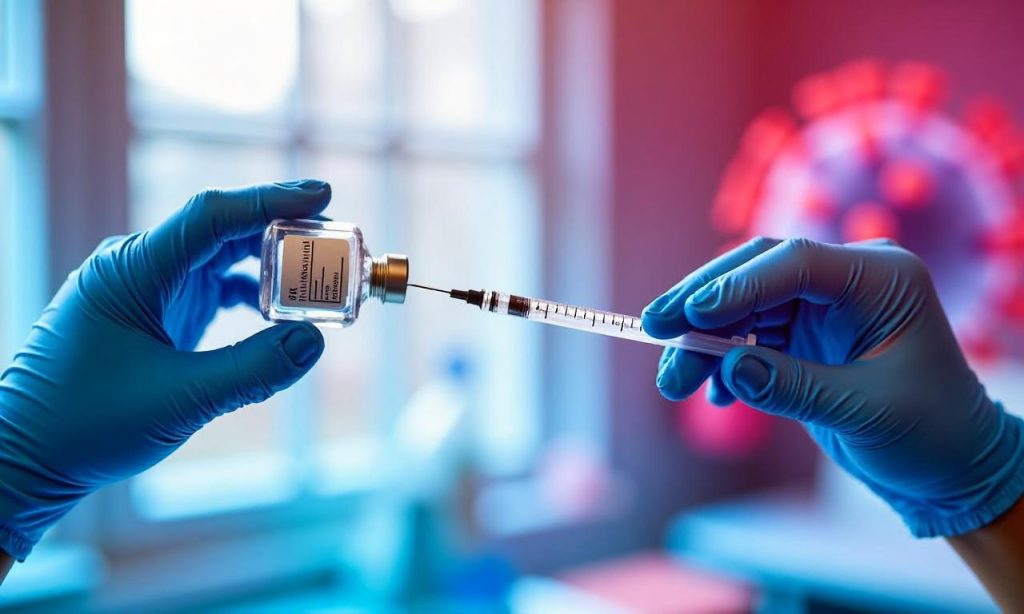
The UK’s historic vaccination campaign, marking the largest immunisation effort in the nation’s history, is hailed as an “extraordinary feat” by the Covid inquiry. According to the report, this initiative saved hundreds of thousands of lives. However, the fourth installment of the inquiry’s findings highlights lingering concerns about public skepticism, misinformation, and support for individuals affected by the vaccines.
A Record-Breaking Immunisation Programme
The rollout of Covid vaccines was executed at an unprecedented pace, with development and distribution compressed into months rather than years. The inquiry notes that safety standards were maintained despite the rapid timeline. Within a year, over 130 million doses were administered, achieving immunisation for more than 90% of people aged 12 and above.
“The programme showcased many of the best attributes of the UK’s health and scientific systems,” remarked the inquiry’s chair, Baroness Hallett.
Misinformation and Distrust Impact Vaccine Uptake
Online misinformation during the pandemic significantly influenced public perception of the vaccines, affecting not only their acceptance but also broader trust in childhood immunisations. Communities with high levels of distrust in authority, including ethnic minorities and residents of disadvantaged areas, faced particular challenges. The report underscores the need for targeted strategies to counter these issues, though it also questions the government’s approach to enforcing vaccine mandates.
Medical Breakthroughs and Treatment Advances
While the focus is on vaccines, the inquiry credits the UK for pivotal contributions to understanding effective treatments for severe Covid cases. Dexamethasone, an existing steroid, became a cornerstone of care after researchers swiftly demonstrated its ability to reduce fatal lung damage caused by overactive immune responses. By June 2020, the drug was deployed in hospitals globally, and by March 2021, it is estimated to have saved 22,000 lives in the UK and over a million worldwide.
“It was the single-most important treatment used during the pandemic,” said Baroness Hallett.
Reform Needed for Vaccine Compensation Scheme
The report identifies flaws in the Vaccine Damage Payment Scheme, which provides financial support to those claiming harm from vaccines. Over 20,000 claims were submitted, yet only around 1% resulted in one-time tax-free awards of £120,000. The inquiry urges urgent revisions, arguing that the current system—requiring at least 60% disability—fails to adequately address vaccine-related injuries. It calls for inflation-linked adjustments to the payout cap, which has remained at £120,000 since 2007.
Despite the program’s triumphs, the inquiry stresses that rebuilding public confidence in all vaccines remains critical. Addressing misinformation and ensuring equitable support for those impacted will be key to sustaining the success of the UK’s immunisation efforts.