Royal Lytham to host 2028 Open
Royal Lytham to Host 2028 Open
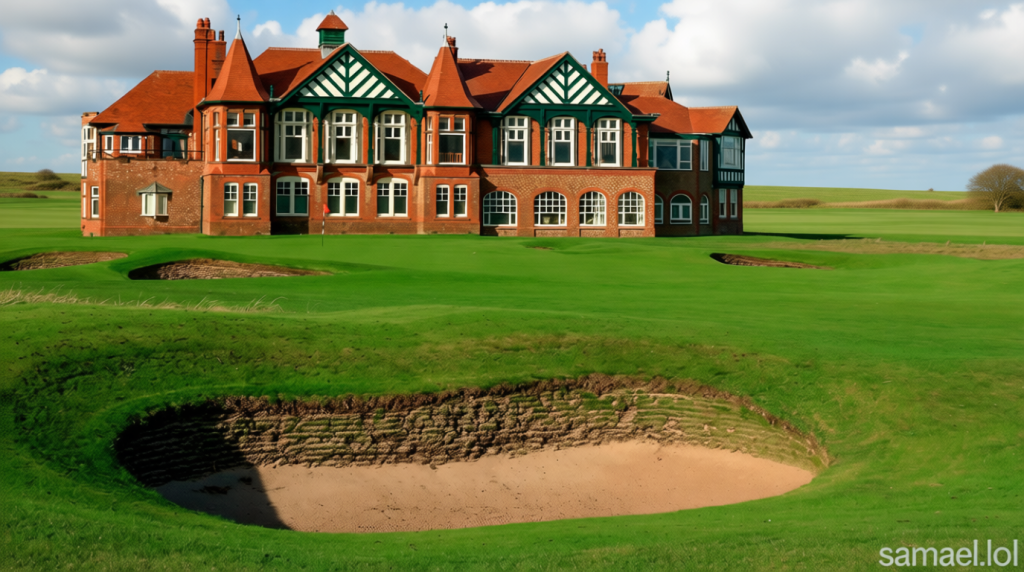
Royal Lytham to host 2028 Open – The British Open will once again grace the fairways of Royal Lytham & St Annes in 2028, marking the venue’s 12th appearance in the prestigious tournament. This decision comes after years of speculation, with the course’s historic charm and recent upgrades securing its place on the schedule. Meanwhile, Trump’s Turnberry and Muirfield, both long-standing contenders, face uncertainty as they step back from hosting the event. The R&A has confirmed that Lytham will host the tournament in August, shifting its traditional July slot to avoid conflict with the Olympic Games in Los Angeles.
Historic Legacy and Modern Adaptations
Royal Lytham, located near Blackpool, has a storied history as a golf destination. The course first hosted the Open in 1926, a milestone that saw legendary American amateur Bobby Jones claim victory. Jones, who later co-founded the Masters and designed Augusta National, won his first Claret Jug at Lytham, a moment that cements the venue’s place in the sport’s heritage. Over the decades, the course has played host to 11 Opens, five Women’s Opens, two Ryder Cups, and other high-profile events, including the Walker Cup and Curtis Cup.
Despite its coastal location, Lytham’s design ensures that neither players nor spectators have a direct view of the sea. The course is nestled within a compact plot of land bordered by a railway track and residential properties, which has required significant modernization to meet the demands of contemporary golf. Major renovations, including the transformation of the par-five 11th hole into a straight 601-yard layout, have been implemented to create space for a new practice area. These changes reflect the R&A’s commitment to balancing tradition with practicality, ensuring the venue remains competitive on the global stage.
Logistical Challenges and Turnberry’s Fate
The future of Turnberry, a course synonymous with the Open’s history, remains uncertain. While the Ailsa Course has been celebrated for its exceptional layout, logistical hurdles have hindered its return to the schedule. Last year, the R&A engaged in discussions with Eric Trump, the president’s son, to explore the possibility of hosting the event again. Mark Darbon, the R&A’s chief executive, acknowledged the venue’s potential but highlighted the challenges of accommodating large crowds and maintaining infrastructure.
Darbon also noted that the UK government had consulted with the R&A about Turnberry’s prospects. This collaboration underscored the importance of the venue to regional golf culture. However, the decision to exclude Turnberry from the 2028 schedule appears to have been influenced by broader concerns. Darbon emphasized that the focus is not on ownership but on whether the town and course can handle the influx of attendees. For context, Royal Portrush, last year’s Open hosts, managed over 280,000 spectators, a stark contrast to Turnberry’s 120,000 attendance 17 years prior.
Revisiting Muirfield’s Absence
Muirfield, situated 18 miles east of Edinburgh, has not hosted the Open since 2013, despite its 16-year history as a venue. The course, one of Scotland’s most iconic, now contends with two logistical challenges: aging infrastructure and the long-term commitment of the Genesis Scottish Open. This tournament, which takes place at The Renaissance Club adjacent to Muirfield, has created scheduling conflicts, complicating the course’s potential revival. The Scottish Open’s deal to remain at The Renaissance until 2030 further strains Muirfield’s ability to secure the Open’s return.
While the R&A has not ruled out Muirfield’s future, its current position suggests a cautious approach. Darbon’s remarks about the venue’s challenges reflect a broader shift in strategy. Previously, Martin Slumbers, the R&A’s predecessor, had expressed reservations about Turnberry hosting the Open while Trump was involved, citing concerns about off-course distractions. However, Darbon has since softened the stance, indicating that the course’s viability depends on its capacity to handle the demands of a large-scale event.
2028 Schedule and Global Context
The Open’s 2028 edition will be staged from 3 to 6 August, a departure from its usual third-week July timing. This adjustment is necessary to avoid overlapping with the Los Angeles Olympic Games golf competitions, which will run from 19 to 29 July. By shifting the event, the R&A aims to provide a seamless experience for players and fans, ensuring the tournament remains a standout fixture in the global golf calendar.
Lytham’s return to the Open schedule also highlights the region’s growing prominence in the sport. The north-west coast of England will host the tournament for the third time in six years, following previous editions at Royal Liverpool (2023) and Royal Birkdale (2024). The 2027 Open will be held at the Old Course in St Andrews, a venue set to host the event for a record 31st time. This sequence underscores the R&A’s efforts to maintain a consistent and geographically diverse schedule.
Preserving the Venue’s Integrity
Lytham’s renovations have been a focal point of debate. The course’s transformation, particularly the reconfiguration of the 11th hole, has sparked discussions about the balance between preserving historical character and embracing modernization. While some critics argue that changes may dilute the course’s heritage, others see them as essential to accommodate the needs of today’s golfers and spectators. The new practice area, for instance, is designed to enhance player preparation without compromising the course’s natural beauty.
These efforts will be tested in the coming months as Lytham hosts the AIG Women’s Open from 29 July to 2 August. The tournament will serve as a trial run for the Open’s 2028 return, allowing officials to assess the venue’s readiness. Darbon has praised the course as one of golf’s most cherished and historic venues, a sentiment that resonates with its role in shaping the sport’s legacy. From the first Open in 1926 to the recent events, Lytham has consistently delivered a blend of tradition and innovation.
“This is one of golf’s most cherished and historic venues,” said Mark Darbon. The decision to host the Open at Lytham in 2028 reflects a strategic choice to honor the course’s storied past while addressing its evolving needs.
“Dialogues were ongoing regarding Turnberry’s potential hosting,” Darbon added. “The main issue is not who owns the course, but whether it and the surrounding town can support the scale of the event.” The R&A’s emphasis on logistical preparedness highlights a broader trend of prioritizing practicality in major tournament planning.
Trump’s investment in Turnberry, which he acquired in 2014, has included a £200m overhaul of the resort. This financial commitment has raised hopes for the course’s revival, but it has not yet translated into a guaranteed spot on the Open schedule. The R&A’s cautious approach underscores the complexity of selecting venues for such a high-profile event, where historical significance and modern infrastructure must align.
As the 2028 Open approaches, the golf world watches closely to see how Lytham’s transformation will be perceived. The course’s ability to adapt without losing its character will be a key indicator of its success. With a rich history and a clear vision for the future, Royal Lytham & St Annes is poised to once again capture the essence of the Open, ensuring its place as a vital part of golf’s grand narrative.