The Women’s Six Nations is faster and smarter – but is it better?
The Women’s Six Nations is faster and smarter – but is it better?
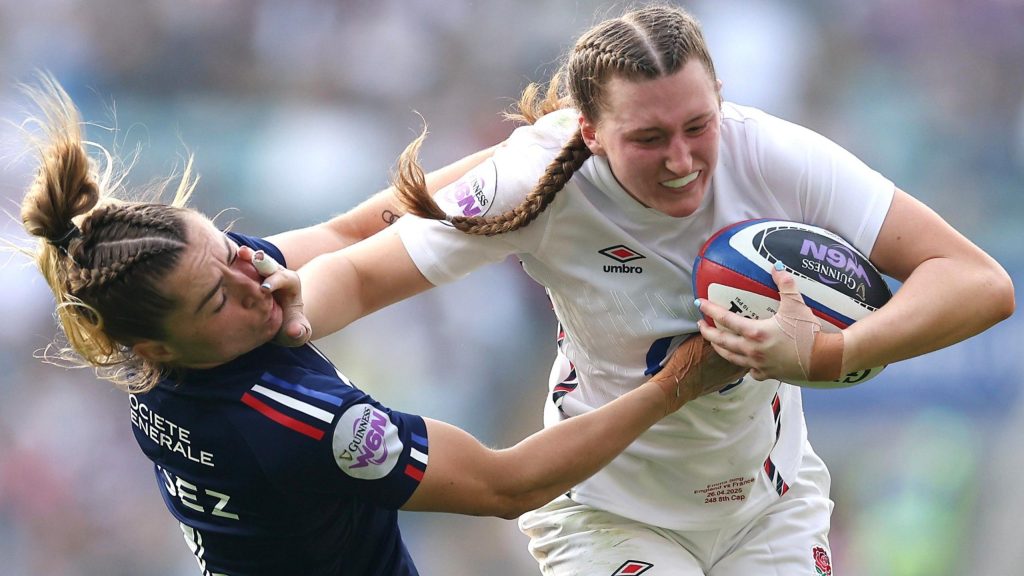
England’s Emma Sing secured two tries as the Red Roses defeated France 43-42 in a dramatic conclusion to the 2023 Women’s Six Nations. The initial 40 minutes of the competition often felt like a half dedicated to traditionalists. Estelle Sartini, a PE teacher from Caen, was the only player to score points as France, a contender for the first-ever title, held a 3-0 advantage over Spain, which had contested the tournament’s first five editions before Italy joined in 2007.
This year marks the 25th edition of the Women’s Six Nations. The game has evolved significantly, but does this transformation enhance its quality? With heightened athleticism and strategic precision, there are concerns that the unique essence of women’s rugby might be overshadowed. Simon Middleton, who led England for eight years before stepping down after the 2023 tournament, observed these shifts firsthand.
“The women’s game doesn’t aim to mirror the men’s game—it should be distinct,” Middleton remarked. “The technical skills and tactical approach have evolved, which is positive, but it’s crucial to maintain the game’s identity.”
Statistical trends indicate a dramatic shift. The 2025 Women’s Six Nations has already set a record for highest scoring, averaging 55.9 points per match. This isn’t an isolated event; the five most prolific tournaments occurred since 2019. Early in the 2025 season, the average is at 58 points per game, suggesting another record is likely.
England’s dominance appears to be a key factor. Last year, the Red Roses overwhelmed Wales and Scotland by margins of 55 and 52 points, respectively. This year, they’ve defeated Ireland by 21 and Scotland by 77 points. Even without England’s results, the 2025 average remains robust at 51.2 points per game, matching the 2021 record. The rise in scoring outpaces the modest increase in winning margins, which grew from 19.5 to 25.4 points since 2007. Currently, the average winning margin in 2025 is 34 points, though incomplete fixtures make direct comparisons tricky.
Meanwhile, the emphasis on kicking has surged. Over the past five years, the number of kicks in the Women’s Six Nations has risen steadily, from 26.1 in 2021 to 44.7 in 2025. Total kick metres doubled, reflecting a strategic shift toward territory-based play. Dannah O’Brien of Ireland led the 2024 tournament in both kicks (83) and kick distance (2,851m), showcasing how teams now build games around kicking expertise.
Traditionally, possession-based strategies were less common, but that’s changing. The share of matches involving five or more phases has declined since 2020. However, the pace of play has accelerated, with 62.8% of rucks completed in under three seconds in 2024—a 10% increase from 2020. These developments highlight a blend of technical refinement and tactical innovation, reshaping how the game is played and perceived.