India faces energy squeeze as US ends oil waivers
India faces energy squeeze as US ends oil waivers
Energy Supply Constraints
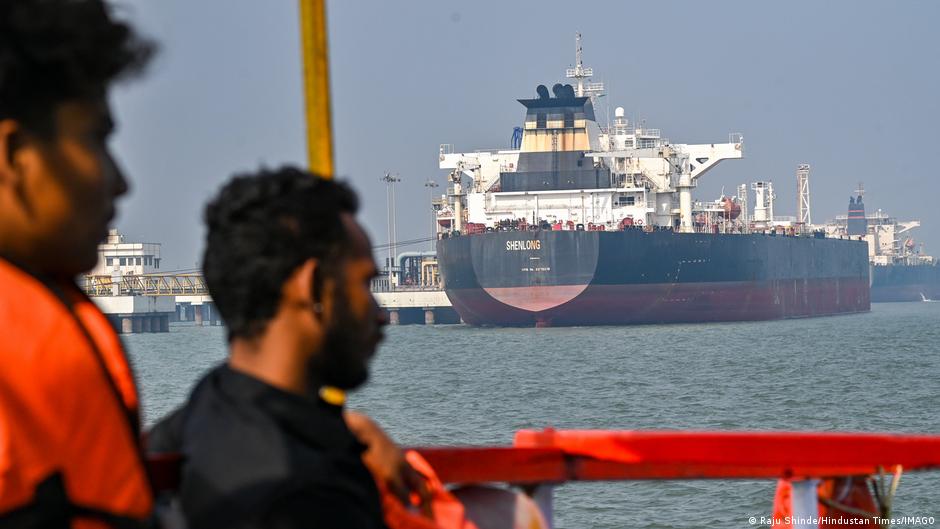
The U.S. decision to let oil waivers for Iran and Russia expire has raised concerns about India’s energy stability. New Delhi had previously relied on these temporary exemptions to maintain its oil imports, but the removal of the allowances now threatens to disrupt the flow of crude oil. This shift comes as the Trump administration phases out its policy of granting waivers to support global supply and stabilize prices.
“We will not be renewing the general license on Russian oil, and we will not be renewing the general license on Iranian oil,” said U.S. Treasury Secretary Scott Bessent during a press briefing at the White House.
BRICS Summit and Bilateral Ties
Russian President Vladimir Putin is set to visit India later this year for the BRICS summit, according to a report by the Russian state news agency TASS. The agency cited Kremlin spokesperson Dmitry Peskov, who confirmed Putin’s plan to attend in person. While no official dates have been released, TASS previously mentioned the summit would take place on September 12–13. This visit follows a December 2023 two-day trip where India and Russia signed agreements on sectors like healthcare and food safety.
Impact on Sectors
The Middle East conflict has exposed weaknesses in India’s expanding airline industry, with airlines reporting delays and increased costs. Meanwhile, small-scale farmers are struggling due to fertilizer shortages linked to the Iran war and the closure of the Strait of Hormuz. These disruptions could significantly affect agricultural output and rural incomes.
India, the world’s fourth-largest economy and third-largest oil importer, sources crude from over 40 countries. The U.S. previously eased tariffs on Indian imports under a trade deal in February, contingent on India reducing Russian oil purchases. Earlier this month, India imported Iranian oil for the first time since 2019 after a U.S. waiver allowed the transaction.
Regional Dynamics
Across the border, Pakistan has been commended by the U.S. Department of State for its role as a mediator in regional disputes. This recognition contrasts with criticism from Indian opposition leaders, who accuse Prime Minister Narendra Modi of undermining India’s foreign policy. As tensions persist, the nation continues to grapple with multiple challenges.
To view this video, ensure JavaScript is enabled and upgrade to an HTML5-compatible browser. Stay tuned for further updates on India’s evolving landscape.
Background Context
India’s reliance on temporary waivers to sustain oil imports highlights the country’s strategic dependence on global markets. The expiration of these waivers marks a pivotal moment for India’s energy strategy, forcing it to adapt to new supply constraints. The move also underscores the U.S. effort to reshape international oil trade dynamics, impacting both prices and availability.
Strategic Implications
With the U.S. ending its support for Iranian and Russian oil imports, India’s energy security faces renewed scrutiny. The decision to let waivers lapse signals a shift in American policy, potentially leading to higher costs and tighter supplies. As the nation navigates these challenges, its economic resilience and diplomatic relationships will be put to the test.