Iran war: US blockade of Hormuz tests China’s restraint
Iran War: US Blockade of Hormuz Tests China’s Restraint
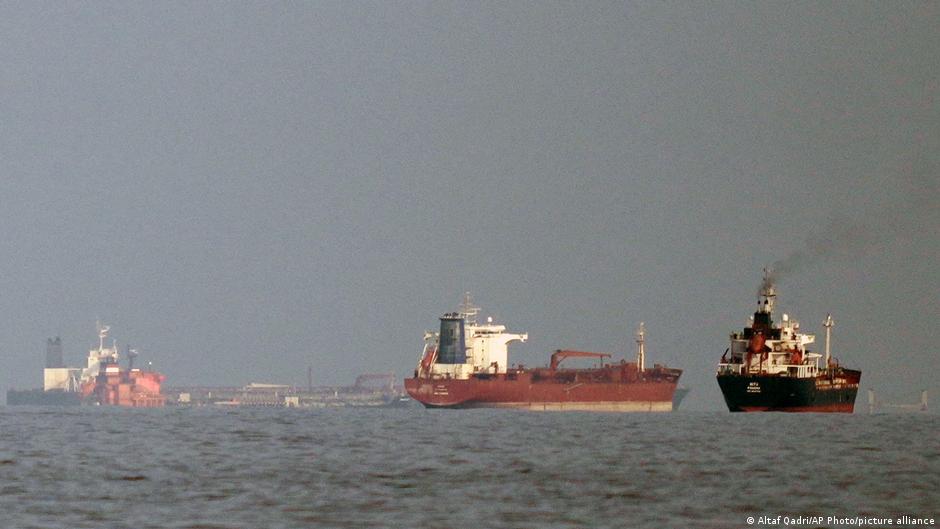
China, the world’s top importer of Iranian oil, is assessing the implications of the U.S. naval action targeting Iranian vessels in the Strait of Hormuz. The blockade, implemented by President Donald Trump following the collapse of weekend talks with Iran in Islamabad, has sparked concerns about Beijing’s potential involvement in the escalating conflict. The U.S. declared its intention to restrict ships from accessing Iranian ports, a move that came after Iran closed the vital maritime passage in retaliation for U.S.-Israeli air strikes starting on February 28.
The strategic chokepoint, responsible for about 20% of global oil supply, now faces heightened tensions. This action threatens the two-week ceasefire, which has already seen oil prices climb sharply. Beijing’s economic interests are directly affected, as the strait’s disruption amplifies the impact on its oil imports. At a press briefing on Tuesday, a China Foreign Affairs spokesperson condemned the measure, calling it “dangerous and irresponsible.” They warned that the blockade would “only aggravate confrontation, escalate tension and undermine the fragile ceasefire.”
“Blocking the Strait of Hormuz does not serve the common interests of the international community,” said Chinese Foreign Minister Wang Yi during a meeting with UAE officials in Beijing on Monday.
China’s state media has framed the U.S. move as a tactical response to Iran’s earlier blockade. They argue that Washington’s actions stem from its military campaign against Tehran, not from China’s involvement. This perspective aligns with remarks from Foreign Ministry spokesperson Guo Jiakun, who stated that the current disruptions in the strait result from the conflict with Iran, and that a ceasefire remains the key solution.
A Strategic Gambit?
In an interview with DW, Zhang Lun, a professor at CY Cergy-Paris University, described the U.S. blockade as a “response in kind.” He suggested that the move aims to “force China onto the stage,” seeking to leverage Beijing’s economic influence to pressure Iran. Zhang noted that Trump’s transactional approach might allow the White House to “find an off-ramp from the conflict” and “save face” if China supports U.S. demands.
Despite the potential economic fallout, Zhang believes China will avoid direct military intervention. The country’s primary goal is to maintain stable relations with all regional players, even as the strait’s closure poses challenges. Chinese media, however, has emphasized the U.S. as part of a “hegemonic logic” that resorts to force when diplomacy falters. They argue Washington’s military buildup in the Middle East was planned before recent negotiations, including the Pakistan-brokered talks.
Washington’s Calculus
State media portrays the U.S. as seeking a “graceful exit” from the conflict, even “packaging victory” by claiming success in Iran, such as regime change and successful strikes. Yet, they highlight the strait as a “fatal vulnerability” for the U.S., one that cannot be overstated. A failure in Iran, combined with the loss of control over the strait, rising oil prices, and inflation, could pressure the Trump administration ahead of the November midterm elections.
China’s official narrative views Iran’s blockade as proof that the U.S. and Israel have been “outmaneuvered” by Tehran. From Iran’s standpoint, the U.S. shift from diplomatic engagement to military action underscores its strategic dilemma. As the situation unfolds, the question remains: who is Washington truly trying to influence?