Iran war: US ready to attack if no Iran deal reached
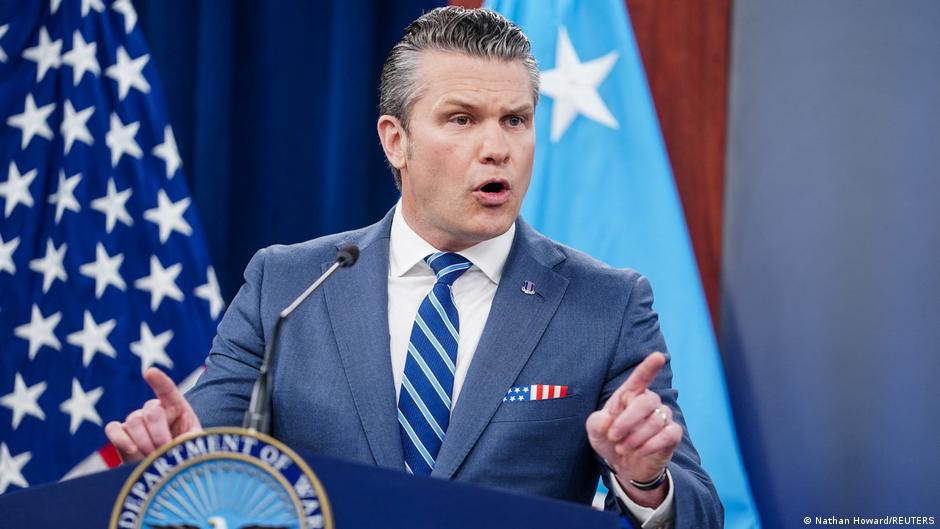
Iran War: US Prepared for Military Action Without a Deal
Defense Secretary Pete Hegseth has stated that U.S. military forces are prepared to resume combat operations if Iran rejects ongoing peace negotiations. The warning comes amid escalating tensions in the Middle East, with the Pentagon emphasizing readiness to escalate the conflict.
Pakistan Mediates Talks Between U.S. and Iran
Iranian state television reported that the country’s military chief, Field Marshal Asim Munir, met with parliament speaker Mohammad Bagher Ghalibaf on Thursday. The meeting took place in Islamabad, where Munir arrived the previous day. However, no details were provided about the discussions.
Following the weekend’s stalled talks in Islamabad, Pakistan has urged a second round of peace discussions between Washington and Tehran. While no final decision on resuming negotiations has been made, White House Press Secretary Karoline Leavitt hinted at the likelihood of further talks in the region.
Lebanon’s Direct Engagement with Israel Sparks Criticism
Hezbollah lawmaker Hussein Hajj Hassan condemned Lebanon’s decision to engage in direct talks with Israel, calling it a “grave error.” In a statement, he argued that such negotiations with the enemy were “a grave sin” and “serve no interest for the country.” He urged Beirut to halt “useless concessions” to Israel and the U.S.
“Direct negotiations with the enemy are a grave sin and a grave error… and serve no interest for the country,” Hassan said from his parliamentary office.
Lebanon became entangled in the regional conflict after Iranian-backed Hezbollah launched rocket attacks at Israel, triggering a joint U.S.-Israeli campaign against Iran. Israel claims it has targeted Hezbollah infrastructure in Lebanon, intensifying the standoff. Earlier this week, Israeli and Lebanese ambassadors held rare talks in Washington, marking a significant diplomatic step.
Lebanese President Joseph Aoun, however, declined to engage directly with Israeli Prime Minister Benjamin Netanyahu, as confirmed by a government official. The missed conversation would have been the first direct exchange between the two leaders in over three decades. Trump had previously proposed the meeting to address the conflict between Israel and Hezbollah.
Aoun expressed support for a ceasefire as the foundation for bilateral discussions, but he has not yet confirmed direct contact with Netanyahu. The Lebanese presidency stated that Aoun spoke with U.S. Secretary of State Marco Rubio, thanking him for efforts to achieve a truce. No mention of Netanyahu was included in the communication.
Regional Diplomacy and Qatari Role
Pakistan’s Prime Minister Shehbaz Sharif visited Qatar on Thursday to bolster diplomatic efforts between the U.S. and Iran. During the meeting, Sharif discussed “regional and international developments, particularly in the Middle East” with Qatar’s Emir Sheikh Tamim bin Hamad Al Thani. The Qatari leader commended Pakistan’s role as a key mediator in the U.S.-Iran ceasefire talks.
As the conflict continues, Hegseth reiterated that the U.S. would enforce a blockade on Iranian ports in the Strait of Hormuz, preventing all ships from entering or exiting the area. This measure, he said, would persist until Iran agrees to terms, with potential resumption of attacks on infrastructure, power, and energy facilities if no agreement is reached.