The immense cost of Iran’s nuclear program
The High Cost of Iran’s Nuclear Ambitions
Despite Iran’s assertion that its nuclear initiative serves civilian goals, the economic burden of the program raises questions. The nation’s energy aspirations are often cited as justification, yet the financial figures tell a different story. Recent diplomatic efforts between the U.S. and Iran in Islamabad collapsed without resolution, with the nuclear program standing as the central disagreement. US Vice President JD Vance emphasized that Washington’s main demand is for Tehran to “commit to not having a nuclear weapon,” suggesting that compliance could lead to “Iran thriving” and reintegration into global markets.
Iran’s pursuit of nuclear power has been a persistent hurdle in its quest for normalized ties with Western nations. Over two decades, this stance has fueled tensions, even influencing recent military actions by the U.S. and Israel. Analysts highlight that the country’s energy mix is largely dominated by natural gas, with nuclear contributing a minor share from its single operational reactor at Bushehr. “Iran possesses vast natural gas and oil reserves, allowing electricity generation at costs far lower than nuclear,” said Umud Shokri, an energy strategist at George Mason University.
Bushehr’s Cost Overruns
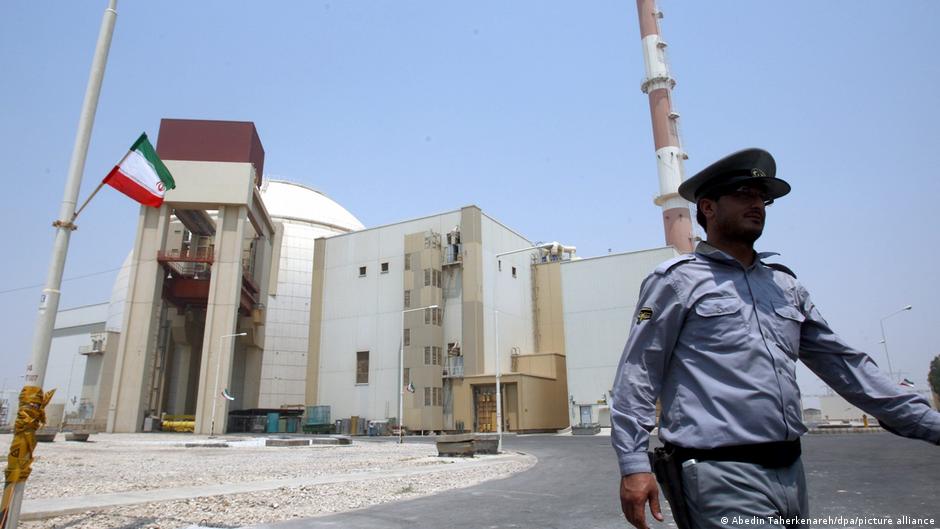
The Russia-built Bushehr power plant, operational since 2013, exemplifies the financial strain. With a capacity of 1,000 megawatts, it accounts for roughly 1% of Iran’s total electricity output. However, construction took nearly two decades and exceeded initial projections by fivefold, reaching an estimated $5 billion (€4.2 billion). Some calculations suggest the project could have cost up to 10 times its original estimate, compounded by sanctions and ongoing delays.
Compounding the issue, Iran’s focus on domestic uranium enrichment adds to the expense. While civilian applications require enrichment levels of 3%-5%, Iran has amassed stockpiles of 60%, nearing the 90% threshold needed for weapons. “The cost structure of Iran’s nuclear program diverges from standard civilian projects,” Shokri noted. “Bushehr-1’s delays and overruns make it unusually costly per kilowatt.” This financial inefficiency, paired with limited uranium resources, questions the economic logic behind the program.
Iran’s goal to expand nuclear capacity to 20 gigawatts by 2041 would require building 25 additional reactors similar to Bushehr. Yet, the current low contribution of nuclear energy to the grid highlights the challenge. “The program’s economic rationale is weak,” Shokri concluded, citing the modest returns against the high investment. The nation’s insistence on self-sufficiency in uranium enrichment, while politically significant, may not align with practical economic benefits.