Europe looks to secure shipping in Strait of Hormuz
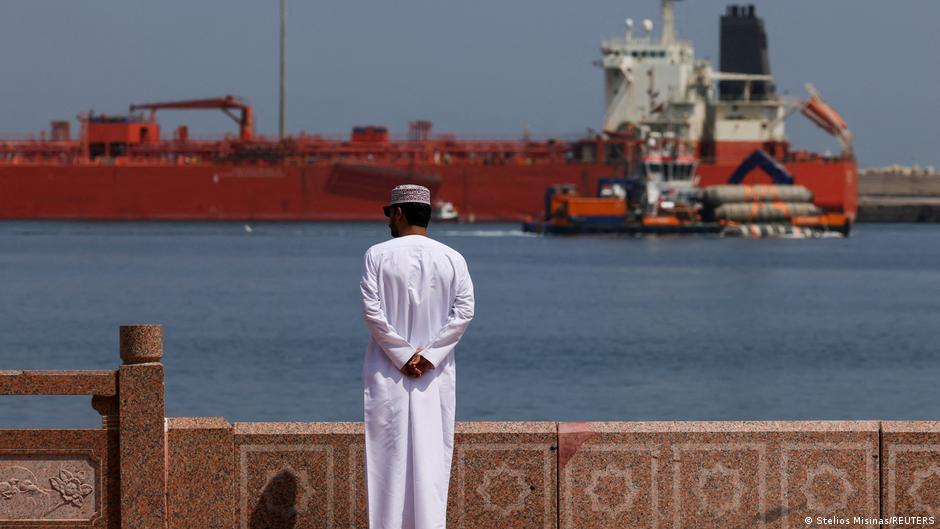
Europe Looks to Secure Shipping in Strait of Hormuz
A group of nations not directly involved in the conflict, spearheaded by France and the United Kingdom, has committed to launching a multinational operation to ensure safe passage through the Strait of Hormuz. However, the mission will not commence until the Iran war concludes. France and the UK have expressed readiness to lead this initiative, aiming to reestablish commercial traffic and trade routes in the critical waterway, contingent on the region’s peace being secured.
At a coalition gathering in Paris on Friday, participants voiced cautious optimism. A temporary ceasefire has paused hostilities between Iran and a U.S.-Israeli alliance until April 22. Separately, a 10-day truce between Israel and Lebanon, a stronghold of Hezbollah, was announced on Thursday. Despite these pauses, both Iran and the U.S. declared the strait “open” for shipping, though the U.S. emphasized its continued blockade of Iranian ports until a formal agreement with Tehran is achieved.
Since the war began on February 28, maritime movement through the strait has effectively ceased, with Iranian forces threatening to target merchant vessels. The strait serves as a vital route for roughly 20% of the world’s oil and gas. “The ceasefires in Lebanon and Iran, along with Iran’s statement on the strait, are positive steps,” said French President Emmanuel Macron during a press conference. “Yet, we remain cautious about their implications.”
UK Prime Minister Keir Starmer, who co-chaired the meeting, highlighted the need for the strait’s reopening to be “sustainable and credible.” The coalition included leaders from Germany, Italy, and over 50 other countries, with many attending remotely. International analysts echoed the coalition’s reservations. Jakob Larsen, head of safety and security at BIMCO, noted on LinkedIn that the strait was not yet fully open and could not be “officially safe for transit.” Ian Ralby, an expert from Auxilium Worldwide, supported this, urging restraint. “The war must end entirely, and even then, the risk of miscalculations or accidental clashes remains high,” he told DW.
Michelle Wiese Bockmann, a maritime intelligence analyst at Windward, pointed out that Iran’s recent mine-laying claims have heightened concerns. “That threat alone has prevented shipping from resuming after the ceasefire,” she said. “It’s uncertain whether mines are present, but 832 tankers are currently trapped in the strait, leading to increased insurance costs.”
Nonbelligerent nations have proposed to escort vessels and clear mines. German Chancellor Friedrich Merz stated, “We could deploy mine-clearance ships—we are skilled at this,” adding that a “solid legal framework” is essential for such actions. Dominique Trinquand, a retired French general, suggested the U.S. would benefit from European support. “Europeans are better equipped and might provide tripartite mine-clearing assets under French, Dutch, and Belgian command,” he said. “France, in particular, is expected to supply the most vessels for merchant ship protection.”
Former NATO leader Jean-Paul Palomeros emphasized the importance of leveraging this expertise as a strategic advantage. The coalition seeks to demonstrate goodwill to U.S. President Donald Trump, who criticized European nations for not backing the U.S. more vigorously in the conflict. “They should aim to reassure Trump, as the current arrangement offers a chance to stabilize the situation without further entanglement,” Palomeros advised.
“The ceasefires in Lebanon and Iran, along with Iran’s declaration of the strait as open, represent positive steps, Macron noted.”
“The war must end entirely, and even then, the risk of miscalculations or accidental clashes remains high,” he told DW.
“That threat alone has prevented shipping from resuming after the ceasefire,” she said.
“We could deploy mine-clearance ships—we are skilled at this,” he added.
“Europeans are much better equipped and might provide tripartite mine-clearing assets under French, Dutch, and Belgian command,” he said.
“They should aim to reassure Trump, as the current arrangement offers a chance to stabilize the situation without further entanglement,” Palomeros advised.