Iran war: What does Tehran expect from fresh talks with US?
Iran War: What Does Tehran Expect From Fresh Talks With US?
As discussions for a renewed dialogue between Iran and the United States unfold, analysts suggest that a meaningful agreement could emerge, though success is not guaranteed. US President Donald Trump expressed optimism about the prospects of a deal during a press briefing on Thursday, highlighting hopes for weekend talks aimed at resolving tensions in the Middle East. He claimed that Iran had agreed to return its enriched uranium stockpile to Washington, emphasizing its potential use in constructing nuclear weapons. “They’ve agreed to give us back the nuclear dust,” Trump stated, while also asserting that Iran had pledged to forgo nuclear weapons for more than two decades.
“Iran wants to make a deal. They are willing to do things today that they weren’t willing to do two months ago,” said Trump, noting that the ongoing negotiations show promise. “We have a very successful negotiation going on right now. If it happens, it will be announced fairly soon.”
While the US anticipates a swift resolution, Iranian officials remain cautious, believing Washington may be exploiting the ceasefire to bolster its military operations. Reports of increased US troop deployments in the region fuel this concern, prompting Tehran to prepare for any potential threats. Despite this, the ceasefire in Lebanon, where Israel clashes with Hezbollah, has been positively assessed by Trump, who believes it could lead to lower oil prices, reduced inflation, and stabilized economic conditions.
Pakistani Mediators Report Progress
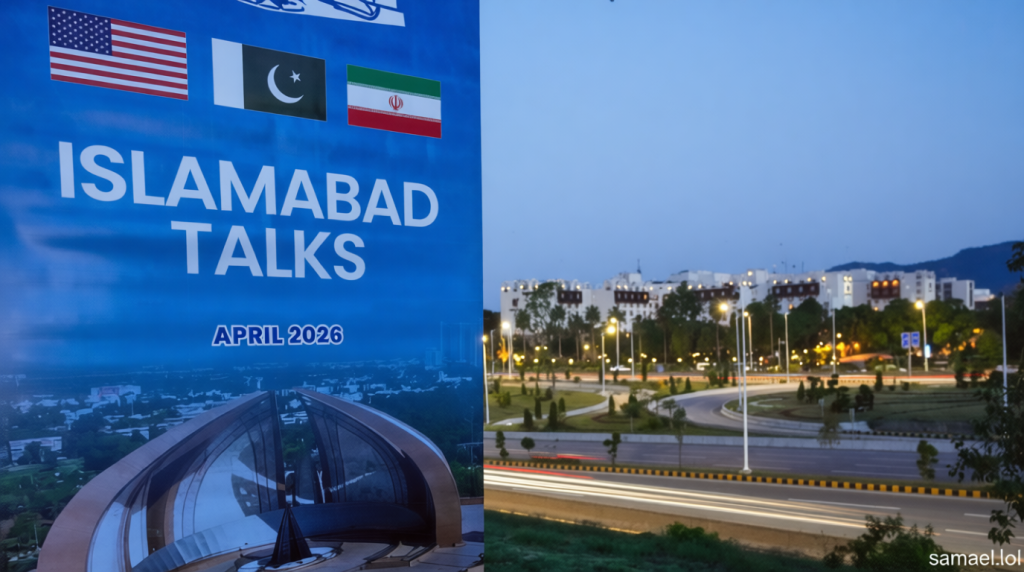
Pakistani intermediaries, who have been instrumental in facilitating high-stakes talks, indicate that behind-the-scenes efforts have yielded results. A confidential source from the mediation team shared with Reuters that a meeting might culminate in a memorandum of understanding, with a full agreement expected within 60 days. “Both sides are agreeing in principle. Technical details will follow,” the unnamed individual added.
Iran’s Unified Stance and Regional Ties
Iranian state media has framed the current negotiations as a reflection of national unity, backing the parliament speaker Mohammad Bagher Ghalibaf and his team. This narrative underscores a “diplomacy of enhanced strength,” according to reports. Ghalibaf highlighted the solidarity of Iran’s “axis of resistance,” which includes Hezbollah in Lebanon, the Houthis in Yemen, and Hamas in Gaza, describing them as “one body” in both conflict and truce.
However, skepticism persists within Iran, with many questioning whether the US is leveraging the ceasefire to intensify its military actions. As a result, Iranian officials approach the talks with “great caution,” ensuring their armed forces are ready to respond to any developments. The deep-seated mistrust between the two nations complicates the path to agreement, affecting not only the nuclear program but also disputes over the Strait of Hormuz, sanctions, and support for regional allies.
Experts Assess the Situation
Analysts from the German Institute for International and Security Affairs (SWP) note that the initial negotiations in Islamabad appear to have stalled, though some progress is acknowledged by both parties. “There has been a certain easing of rhetoric,” remarked Conrad Schetter of the Bonn International Center for Conflict Studies, “which at least opens up some room for maneuver.” Nevertheless, key issues such as the Strait of Hormuz, Iran’s nuclear ambitions, and its backing of proxies remain unresolved, posing significant challenges to the talks’ success.