Sudan’s three-year war deepens child and hunger crisis
Sudan’s Three-Year War Deepens Child and Hunger Crisis
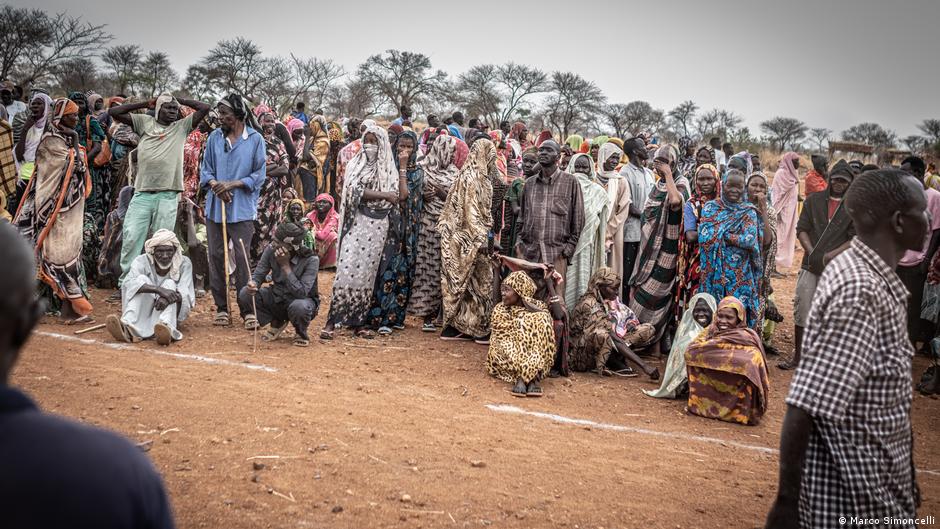
Three years into Sudan’s civil war, the humanitarian situation has worsened dramatically. Millions of people have been forced from their homes, with parts of the country now facing the threat of famine. According to the World Health Organization, the conflict has displaced over 13 million individuals, creating a widespread crisis that affects every corner of the nation.
The toll on children has been especially severe, with aid groups highlighting their growing vulnerability. Eva Hinds, a UNICEF spokesperson, emphasized the dire conditions for minors, stating, “The reality for children in Sudan is growing darker hour by hour.” This warning comes as the war enters its fourth year, following the breakdown of a fragile civilian transition after the 2019 uprising.
Indiscriminate Attacks Target Vulnerable Populations
Drone strikes, increasingly used by both factions, have become a major cause of civilian casualties. Ashan Abeywardena, from War Child, noted the profound impact on children’s lives, explaining, “Three years of conflict shape children’s routines with reports of death and destruction.” The attacks have targeted homes, markets, and even schools, according to UNICEF, leaving many children injured or killed.
“Drones are killing and wounding girls and boys in their homes, in markets, on the roads, near schools and health facilities — all places that should never be targets,” Hinds told reporters.
UN humanitarian chief Tom Fletcher reported that nearly 700 civilians were killed in drone strikes during the first three months of this year, underscoring the escalation of violence against non-combatants.
Regional Ripple Effects
The war’s consequences are not confined to Sudan. In East Africa, displaced populations and disrupted trade routes have strained neighboring countries, according to DW Kenya correspondent Andrew Wasike. He stated, “The war is no longer seen as isolated. It’s both a humanitarian disaster and a regional security challenge.” Political tensions and the flow of refugees have made the impact felt far beyond national borders.
Despite the scale of suffering, Sudan has struggled to maintain global attention. Denise Brown, the UN resident and humanitarian coordinator, called the crisis “effectively abandoned,” citing widespread atrocities such as systematic sexual violence, community sieges, and mass killings. She highlighted a deadly episode last year in El-Fasher, where thousands were reportedly killed in days.
“My question is, what is the world waiting for?” Brown asked, urging a coordinated global response akin to efforts seen in other major conflicts.
International Response Gains Momentum
Recent efforts to address the crisis include a conference in Berlin, where over €1.3 billion was pledged for humanitarian aid. German Foreign Minister Johann Wadephul initially aimed to secure more than $1 billion but noted the higher amount raised, surpassing last year’s London donor event.
This article has been adapted from an episode of DW’s AfricaLink podcast.