Bundesliga debut by female coach marred by misogyny
Bundesliga debut by female coach marred by misogyny
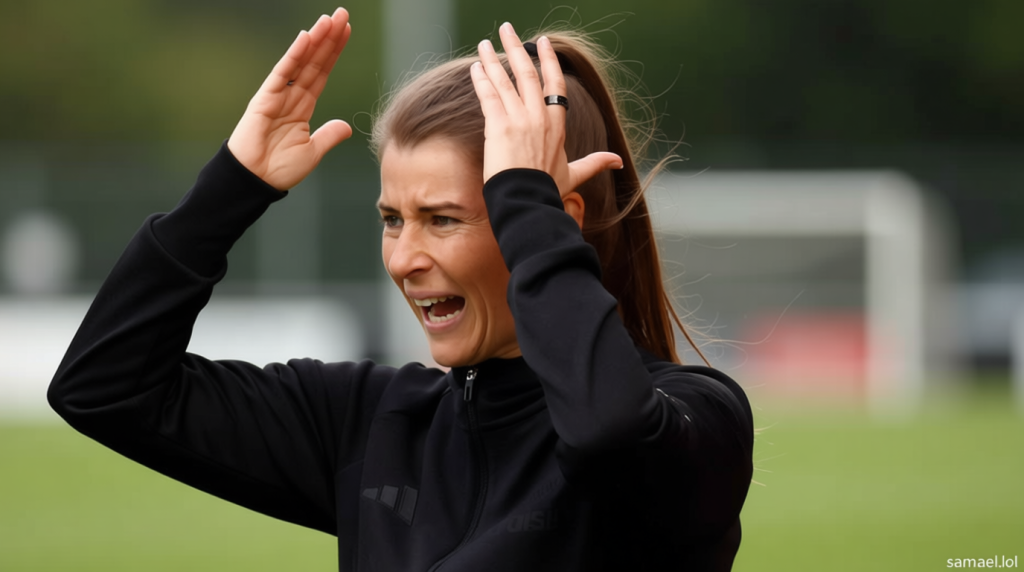
Marie-Louise Eta’s maiden match as a head coach in the men’s Bundesliga concluded with a 2-1 loss to Wolfsburg. Though her appointment signifies a milestone in the league, the public response underscored lingering biases against women in coaching roles. Despite Bayern Munich’s dominance, securing 13 of the past 14 titles, the most notable storyline this weekend was the online backlash against Eta becoming the first woman to guide a team in the top five European men’s leagues.
Union Berlin’s team, under Eta’s leadership, faced challenges on the pitch, but the social media discourse was dominated by sexist remarks. Union’s administrators swiftly responded by moderating comments, a move praised by DFB vice-president Celia Sasic. In an interview with t-online, Sasic condemned the remarks, stating:
“The comments are unacceptable. They’re not directed solely at a single individual, but call into question values that are central to our sport: respect, fairness, and equality.”
Etta herself tried to steer attention back to the game, acknowledging the negativity without letting it overshadow her performance. “It says more about the people posting it online than about the people being talked about,” she remarked after the match. Helen Nkwocha, a Black British coach with similar experiences, echoed this sentiment. She became the first woman to coach a men’s top-tier team in Europe in 2021, leading Tvoroyar Boltfelag in the Faroe Islands. “As female coaches, especially at competitive levels, we often face such criticism,” Nkwocha told DW. “In the Faroe Islands, I received racially offensive messages and comments questioning the island’s geographical significance.”
Union Berlin has remained steadfast in supporting Eta, with President Dirk Zingler emphasizing the importance of normalizing her role. “We shouldn’t make too big a deal out of it and stay focused on the football,” Zingler noted. Meanwhile, the notion that Eta’s temporary position might influence her future career path was also raised. Some speculated she would prioritize a permanent men’s coaching role over her planned move to Union’s women’s team. Zingler countered this idea, asserting that such assumptions undermine women’s football opportunities.
While men coaching in women’s leagues is common, a woman in a men’s top-tier role remains rare, even if it has occurred in lower divisions. Robin Afamefuna, a professional player and cultural anthropologist studying sexism and racism in football, highlighted the importance of Eta’s example. “Visibility and role models are crucial for young girls,” Afamefuna explained. “They see that this job is possible someday, something that wasn’t available before.”
The DFB reports around 4,000 female coaches hold professional licenses, yet Afamefuna stressed that systemic barriers persist. “It’s a deeply rooted issue affecting women in football,” he added. “We must dismantle these structures to create equal opportunities.” Despite Eta’s debut showing progress, the reaction highlights the persistence of patriarchal attitudes in the sport. The hurdles ahead remain significant, but her presence challenges long-standing norms.